Industrial component cleaning
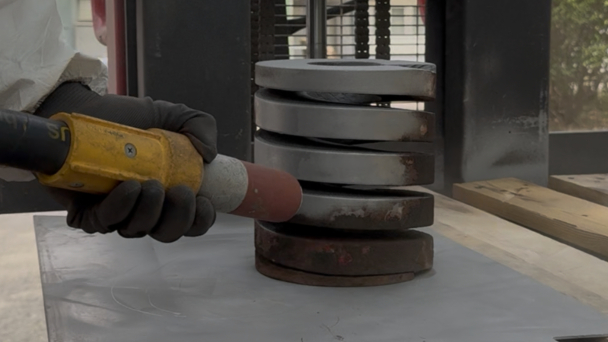
Why is industrial component cleaning important?
Deposits built up over several years are not only an aesthetic problem. Contamination can affect the precise fit of components, reduce machine performance, increase energy consumption and accelerate wear.
In certain cases, cleaning is also important for workplace safety. Dusty, oily, greasy or chemically contaminated surfaces can affect not only the equipment itself, but also the people working on site. In these situations, industrial component cleaning becomes not just a maintenance task, but also an operational and occupational safety issue.
The goal is always to ensure that after cleaning, the component is not only cleaner, but also easier to use, safer to handle and more reliable in the long term.

The right technology is selected based on a test cleaning
There is no universal solution for industrial component cleaning. The same technology can produce different results on different materials, on deposits of varying thickness or on more sensitive surfaces.
That is why Fort Facility, depending on the nature of the task, uses test cleaning to determine which method works most effectively. During this process, we examine not only whether the contamination can be removed, but also how gentle the selected technology is on the base surface, how long the work is expected to take and how it can be integrated into the client’s operations.
Test cleaning is especially useful when several methods may be suitable, such as laser cleaning, abrasive blasting, dry ice cleaning or ultrasonic cleaning.
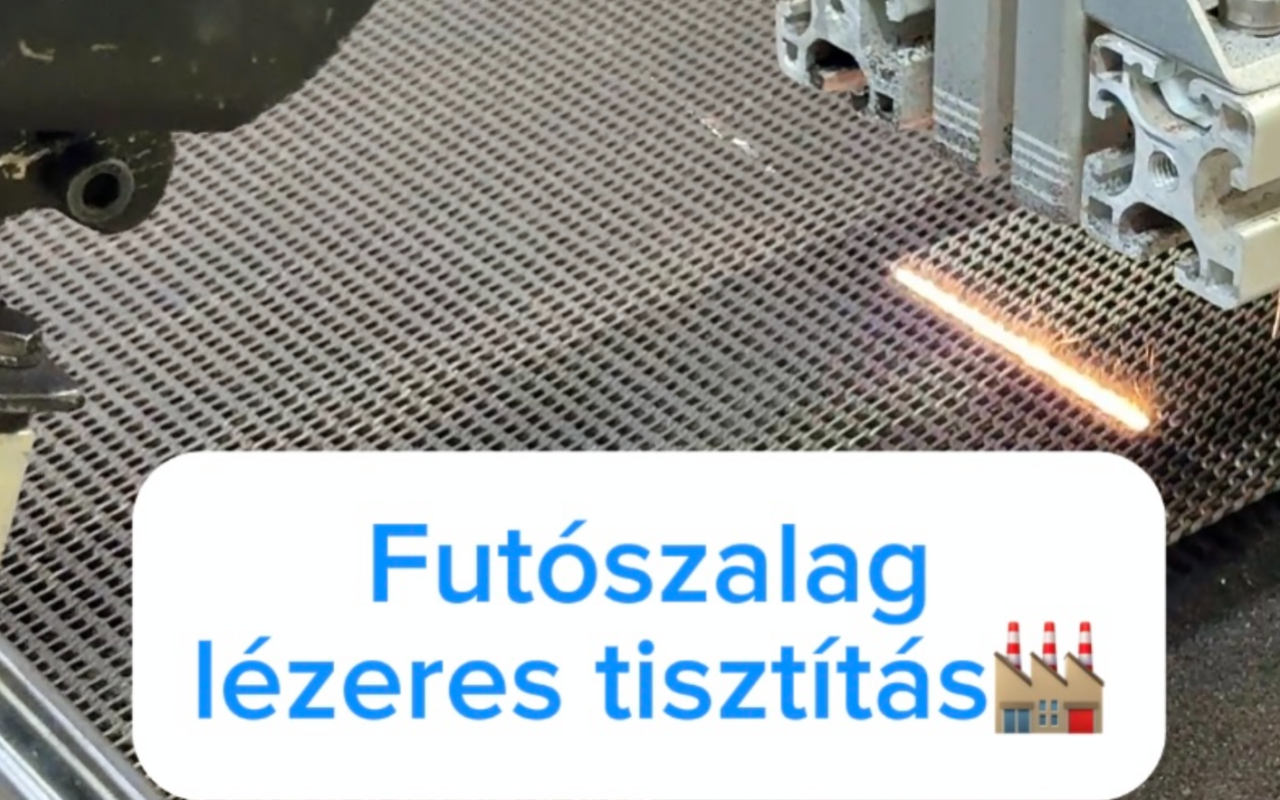
Laser cleaning
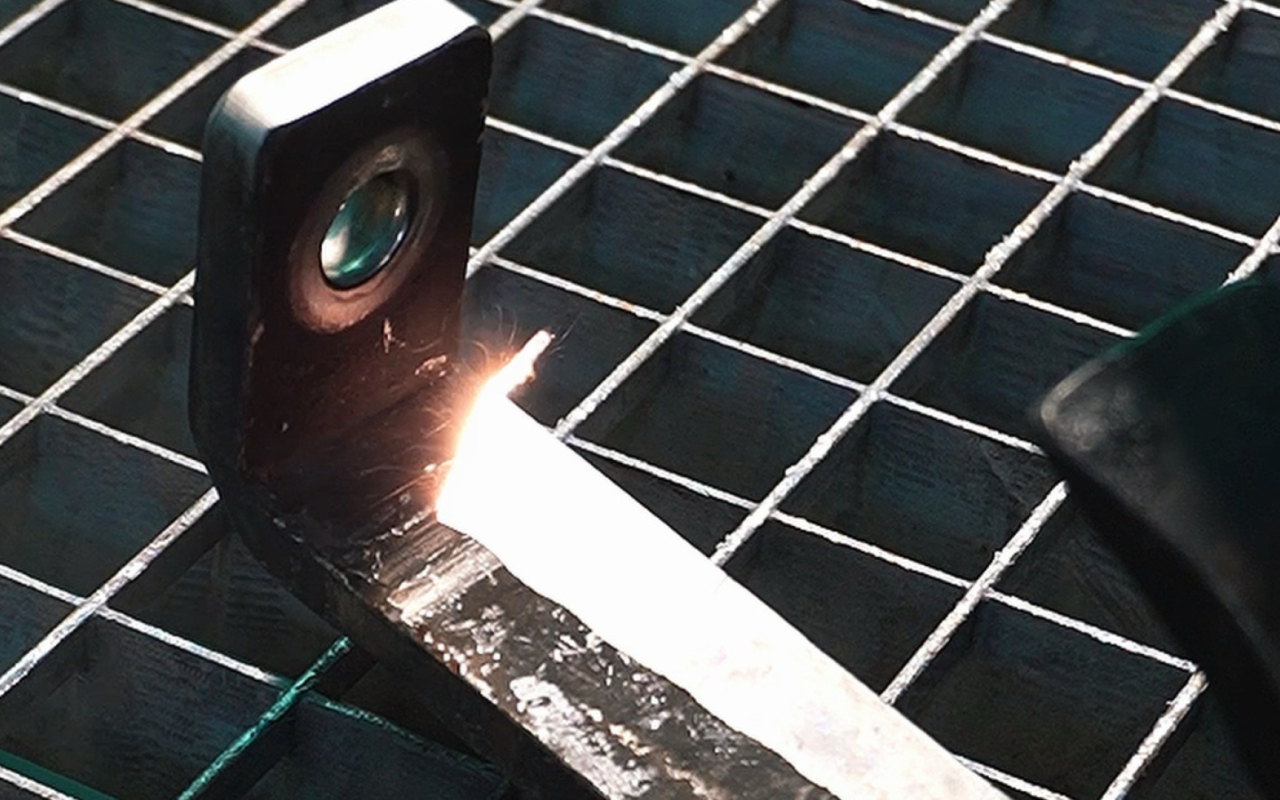
Laser cleaning is a precise, modern and, in many cases, chemical-free technology. It is particularly suitable for removing rust, oxidation, paint residues, coatings, burn marks and other stubborn surface contamination.
One of its main advantages is that it works in a targeted way. With the right settings, it can therefore be a gentle solution for many industrial components. It can be used on metal parts, tools, press tools, elements of manufacturing equipment and components of food processing machinery.
Laser cleaning is especially useful when precision, chemical-free cleaning and minimal secondary waste are important considerations.

Open abrasive blasting
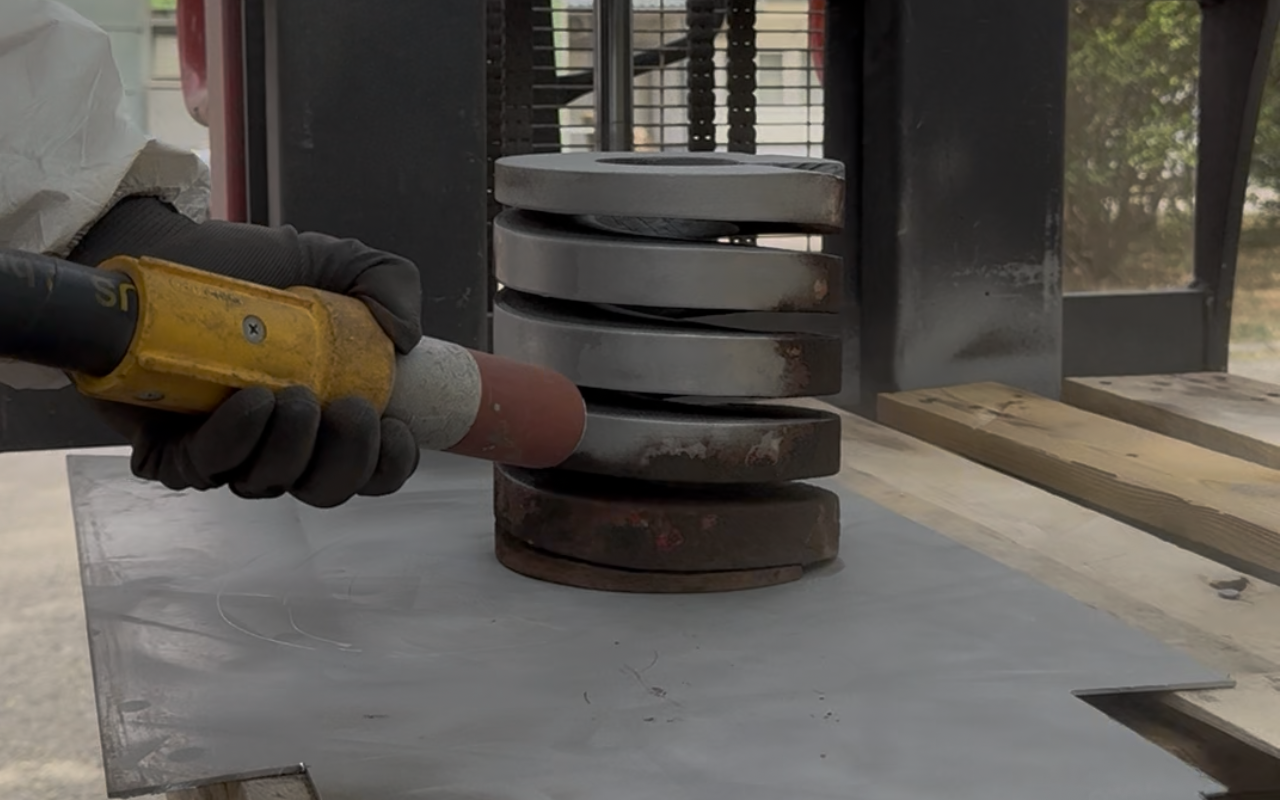
Open abrasive blasting is suitable for cleaning stronger, more robust industrial surfaces. It can be used to remove rust, paint, limescale, oxidation, coatings and thicker deposits.
The effectiveness of abrasive blasting largely depends on the blasting medium used. Depending on the task, this may include soda, sand, granite sand, aluminium silicate, walnut shell or glass beads.
Choosing the right blasting medium is not a minor detail. A stronger material can provide more intensive cleaning, while a gentler medium may be the better choice when protecting the surface is also a priority.

Closed-loop abrasive blasting
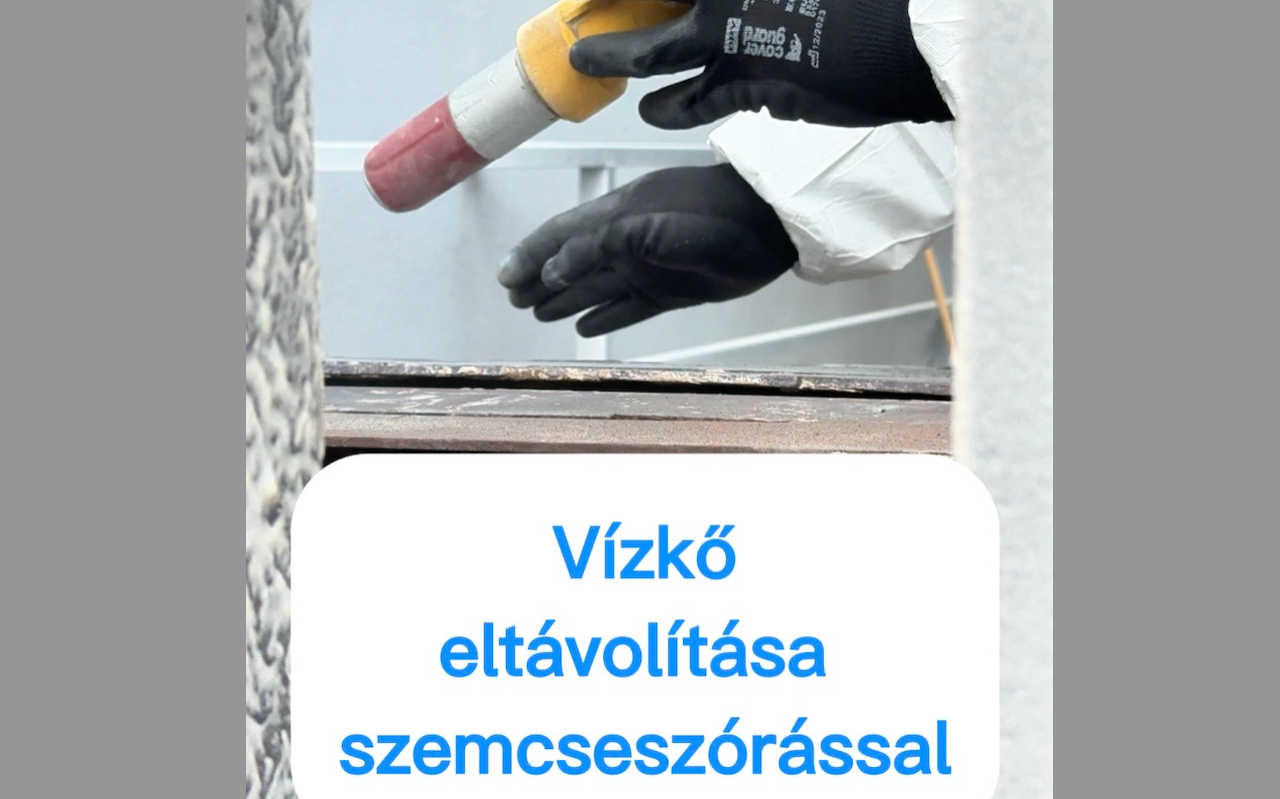
Closed-loop abrasive blasting is beneficial in situations where protecting the working environment is a key consideration. With this technology, the blasting medium is handled in a more controlled way, helping to reduce scattering, dust and environmental impact.
This can be especially useful in operating industrial environments, sensitive areas or work zones where surrounding equipment, floor surfaces or other structures also need to be protected.
Closed-loop abrasive blasting can be an effective solution for on-site component cleaning, surface preparation, rust removal and coating removal.

Dry ice cleaning
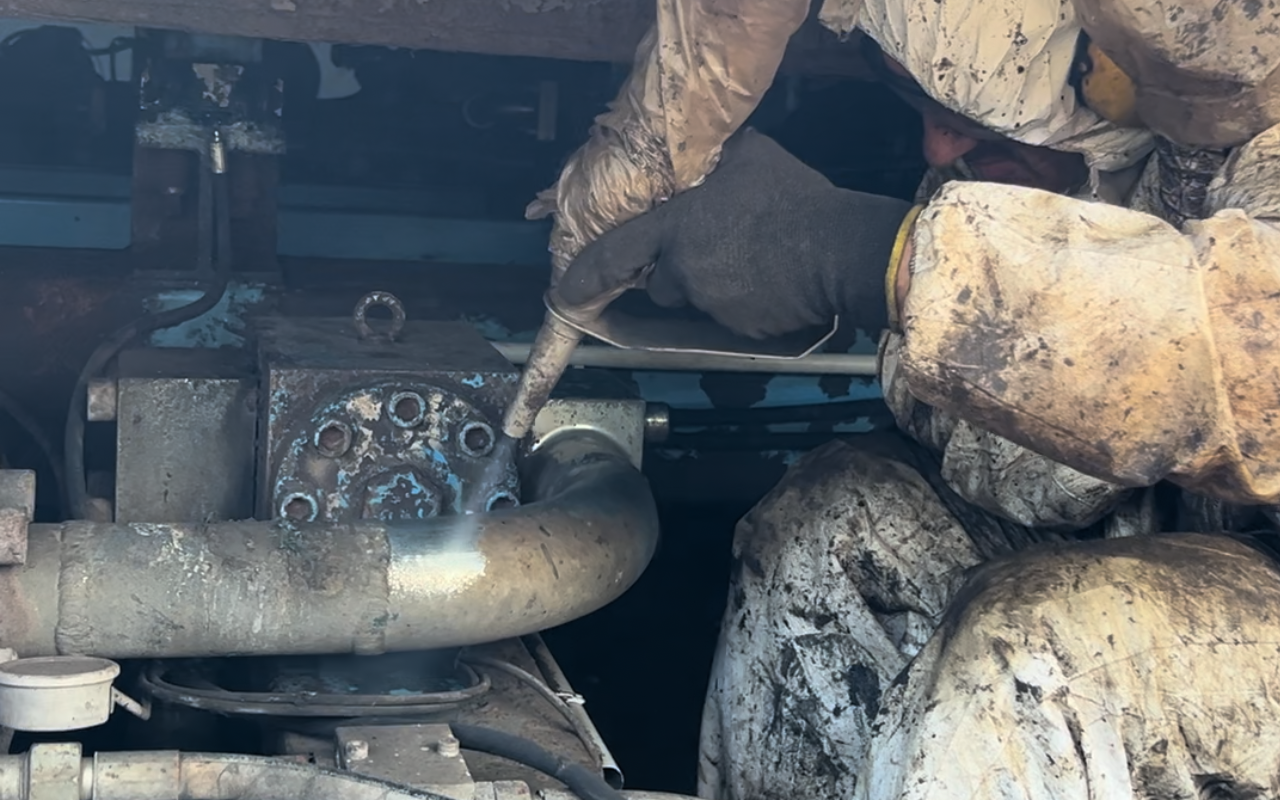
One of the greatest advantages of dry ice cleaning is that the dry ice sublimates during the process, meaning it does not leave behind secondary blasting material. This can be a major benefit when cleaning complex components, machine parts or hard-to-reach surfaces.
The technology can be suitable for removing oil, grease, production-related deposits or contamination caused by heat. It can also be a good choice when it is important that no moisture or blasting residue remains in the work area after cleaning.

Ultrasonic cleaning
Ultrasonic cleaning is primarily effective for smaller, precision or complex industrial components. Its main advantage is that, with the help of ultrasonic vibrations, the cleaning medium can reach areas that are difficult to access by conventional methods.
This is especially useful for components with holes, channels, small details or fine surface structures. It is worth considering when thorough, detailed cleaning is required under controlled conditions.

Chemical cleaning on request
Although many industrial components can be cleaned using chemical-free technologies, in certain cases chemical cleaning may also be necessary. This may apply, for example, to tanks, pipe systems, internal surfaces or special types of industrial contamination.
Chemical cleaning is always carried out in a way that is adapted to the specific task and in compliance with the necessary occupational safety requirements. When needed, it can also be combined with other cleaning technologies to achieve the best result.
On-site cleaning or off-site cleaning
Industrial components can be cleaned at the client’s site, but in some cases it may be more practical to transport the parts for off-site cleaning. The decision depends on the size and mobility of the component, the type of contamination and the selected cleaning technology.
On-site cleaning is beneficial when the equipment is difficult to move, or when the cleaning can be carried out effectively within the industrial environment itself. Off-site cleaning, on the other hand, may be more practical when more specialised conditions, workshop-based work or a more detailed treatment process is required.
The work can be scheduled by agreement during planned downtime, maintenance periods or shutdowns. In certain cases, cleaning can also be carried out in operating areas, adapted to the client’s daily workflows. The aim is always to fit the cleaning process into the client’s operations with as little disruption as possible.

Where can industrial component cleaning be needed?
Industrial component cleaning may be required in many areas where machines, equipment or technological systems are in continuous use.
Typical application areas include:
- manufacturing plants,
- food processing facilities,
- engineering environments,
- maintenance areas,
- industrial halls and sites,
- technological equipment,
- tanks and pipe systems,
- tools and production equipment.
Cleaning may be needed for regular maintenance, preparation before refurbishment, improving production efficiency, meeting hygiene requirements, supporting workplace safety or solving a specific technical issue.

Fort Facility: industrial cleaning tailored to the task
Fort Facility does not approach industrial component cleaning with standardised, one-size-fits-all solutions. For every project, we assess which technology is best suited to the specific component, contamination and working environment.
Whether the task requires laser cleaning, open or closed-loop abrasive blasting, dry ice cleaning, ultrasonic cleaning, high-pressure washing or chemical cleaning on request, the goal is always the same: an effective, safe solution that matches the surface and the task.

Frequently asked questions
What types of contamination can be removed from industrial components?
Industrial components can be cleaned of rust, limescale, paint residues, oxidation, oil and grease deposits, dust, soot, production-related contamination and stubborn surface layers built up over several years.
Is an initial assessment necessary before cleaning?
Yes, in most cases an initial assessment or test cleaning is recommended. This helps determine which technology will provide the best result for the specific component, and under what working conditions the cleaning can be carried out safely.
Can industrial components be cleaned on site?
Yes, in many cases cleaning can be carried out at the client’s site. If the nature of the task, the size of the component or the selected technology requires it, the parts can also be transported and cleaned under controlled conditions.
Is chemical cleaning always necessary?
No. Many industrial components can be cleaned using chemical-free technologies such as laser cleaning, dry ice cleaning or abrasive blasting. Chemical cleaning is mainly needed for special types of contamination, tanks, pipe systems or internal surfaces.
Can cleaning be scheduled around production downtime?
Yes, the work can be scheduled by agreement during planned downtime, maintenance periods or shutdowns. In certain cases, cleaning can also be carried out during operation, provided that the technology and occupational safety conditions allow it.
Are these technologies suitable for smaller components as well?
Yes. These technologies are not only suitable for large equipment, but also for smaller machine parts, tools, precision components, connectors and parts with hard-to-reach channels or cavities.
Need industrial component cleaning? Request a technical assessment, and our team will help you choose the most effective cleaning technology for your equipment. Our services are available in Budapest and throughout Hungary.
Contact us for a consultation or request a quote using the button below.
Videos