PRE-WINTER DEEP CLEANING What should be cleaned before winter sets in?
1. Facade cleaning before persistent cold weather
If there is one outdoor cleaning task worth highlighting, it is facade cleaning.
A building facade is continuously exposed to environmental influences. Dust, traffic-related deposits, soot, pollen, bird droppings, algae, moss and other contaminants may accumulate on the surface. The quantity and type of contamination depend largely on the building's location, the orientation of the facade and the surface material.
Regular facade cleaning is not only about appearance. International surface-cleaning guidance also treats cleaning as an important part of facade maintenance. According to Kärcher's professional guidance, regular maintenance of exterior building surfaces can help preserve both their condition and the value of the property while removing contamination caused by weather and environmental exposure.
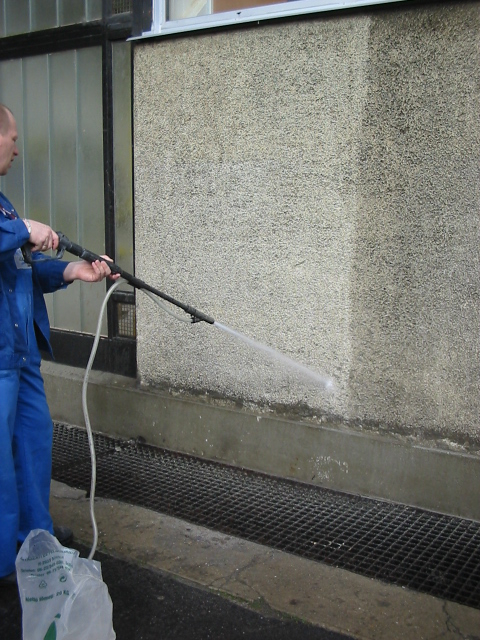
Why Before the Cold Weather?
Not because facades simply “have to” be cleaned in autumn. The need for facade cleaning should primarily be determined by the condition of the surface.
However, timing does have practical importance.
Many facade-cleaning technologies use water. When temperatures remain consistently low, the range of suitable working conditions becomes more limited, particularly on porous, cracked or sensitive surfaces. International building-maintenance recommendations advise avoiding water-based facade cleaning where there is a risk of freezing, as water entering cracks and joints may freeze.
Therefore, if a facade is already due for cleaning, it may be advisable to complete the work before persistent freezing temperatures arrive.
What types of facades do we clean?
At Fort, we clean a wide range of facade surfaces, including:
-
glass facades,
-
metal facades,
-
stone surfaces,
-
concrete facades,
-
brick surfaces,
-
rendered facades,
-
Lindab cladding,
-
mixed and complex facade systems,
-
and, following prior assessment, more sensitive and historic surfaces.
The cleaning technology is always selected according to the material and condition of the surface, the type of contamination, the height of the facade and accessibility.
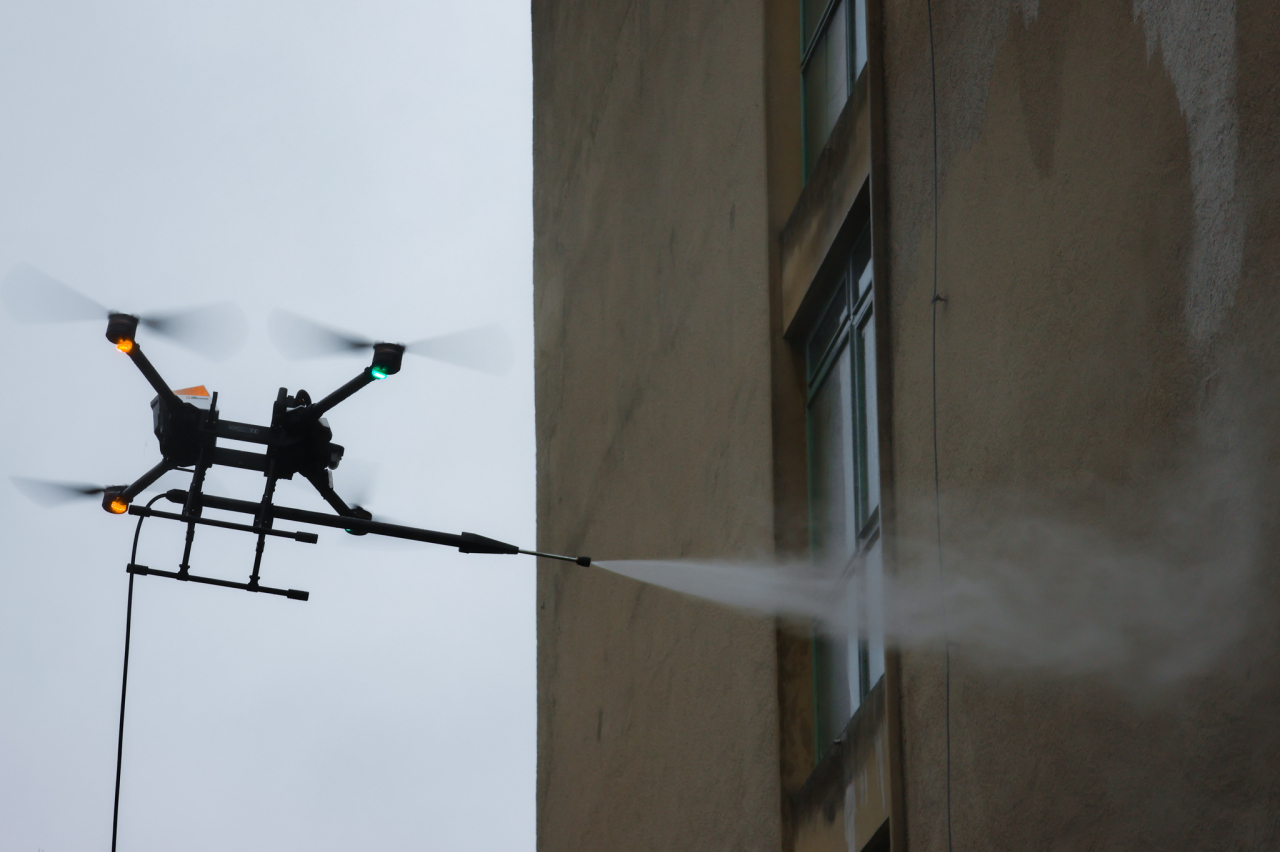
How do we clean facades?
A dusty glass facade and an algae-covered stone surface should not be treated in the same way.
Pure water cleaning: primarily used for maintenance cleaning of glass, metal and other suitable facade surfaces. Purified water can remove dust, pollen, bird droppings and general environmental contamination without the use of chemicals. With Fort's system, cleaning can be carried out from ground level at heights of up to 16 metres.
DROZMÓ drone facade cleaning: for high or difficult-to-access surfaces, we combine pure water cleaning with drone technology. Fort's own DROZMÓ system can be used above 16 metres and, on suitable surfaces, at heights of up to 50 metres.
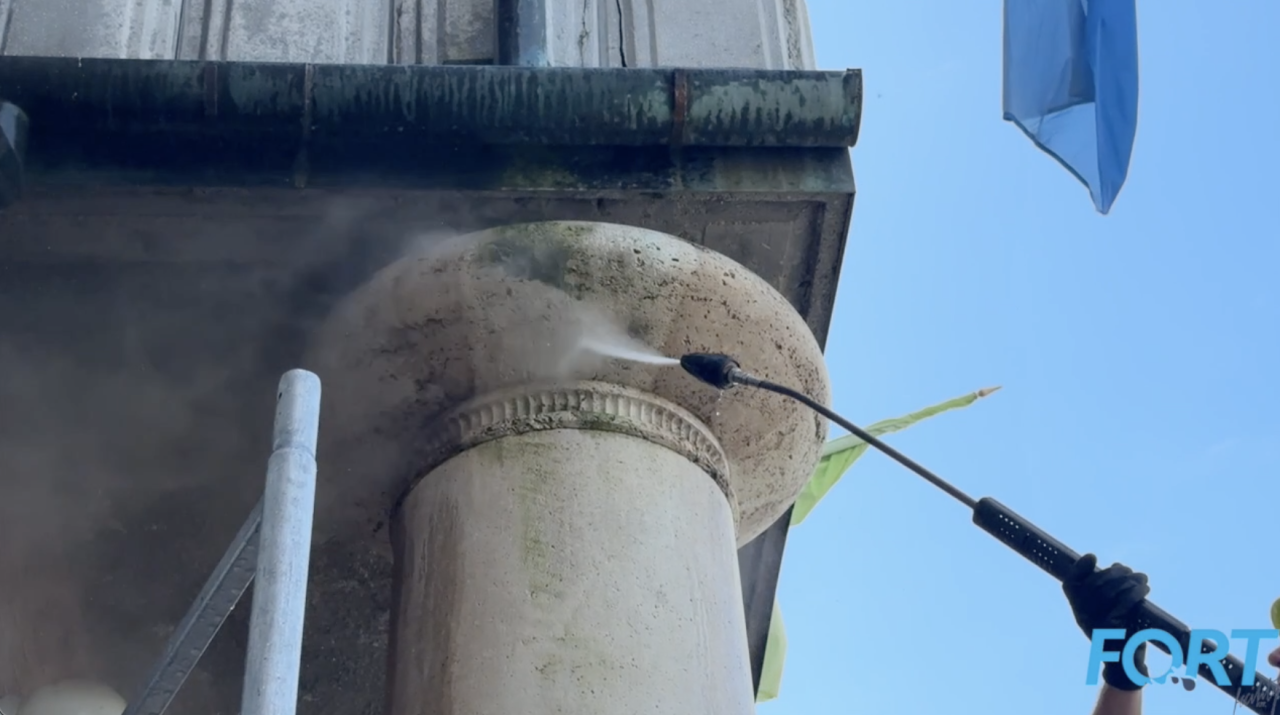
High-pressure water cleaning: can be used on stone, concrete, brick, metal and other suitable surfaces to remove environmental deposits and heavier contamination. The goal is not simply to use the highest possible pressure. Water pressure, flow rate, nozzle type and working distance are always adjusted to the surface being cleaned.
For algae, moss or other biological contamination, a specialist cleaning agent may also be required. For strongly bonded or unusual contaminants, additional technologies such as abrasive blasting, dry ice cleaning or laser cleaning may also be considered.
Effective facade cleaning is therefore not about using one universal technology. It is about selecting the right method for the surface and the contamination.
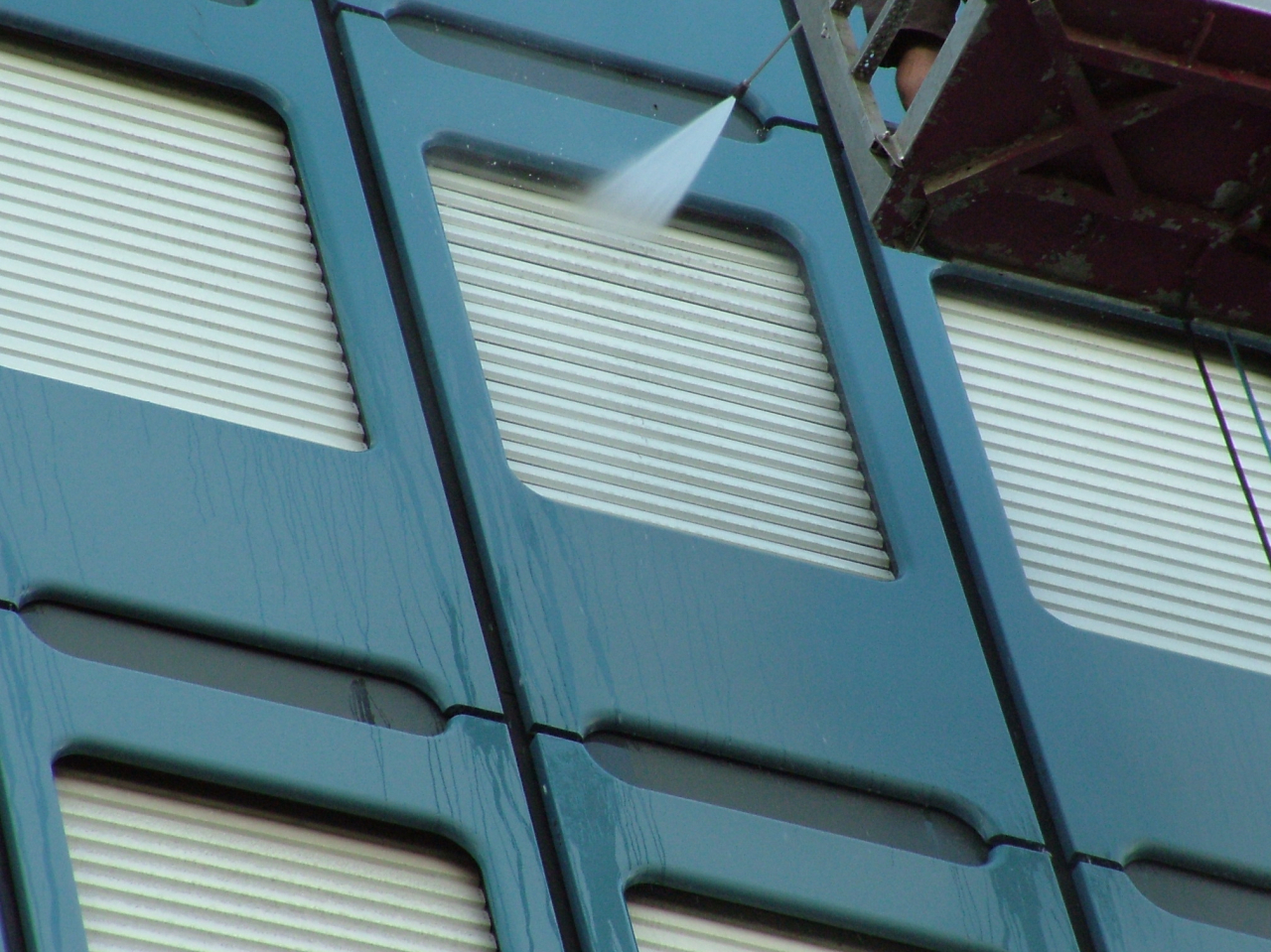
2. Glass surfaces and windows
After the summer and autumn months, dust, pollen, rain-borne dirt and bird droppings can become highly visible on large glass surfaces.
For office buildings, hotels, retail properties and other commercial or institutional facilities, window and glass facade cleaning can therefore form an important part of pre-winter deep cleaning.
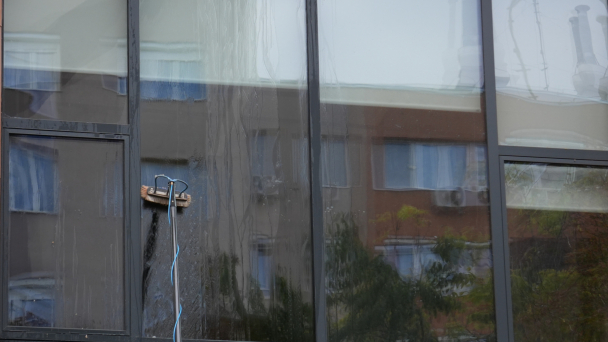
For large glass surfaces, pure water technology can be a particularly effective solution. Because the water is purified of minerals, it dries without spots or streaks, eliminating the need for traditional squeegeeing or final wiping.
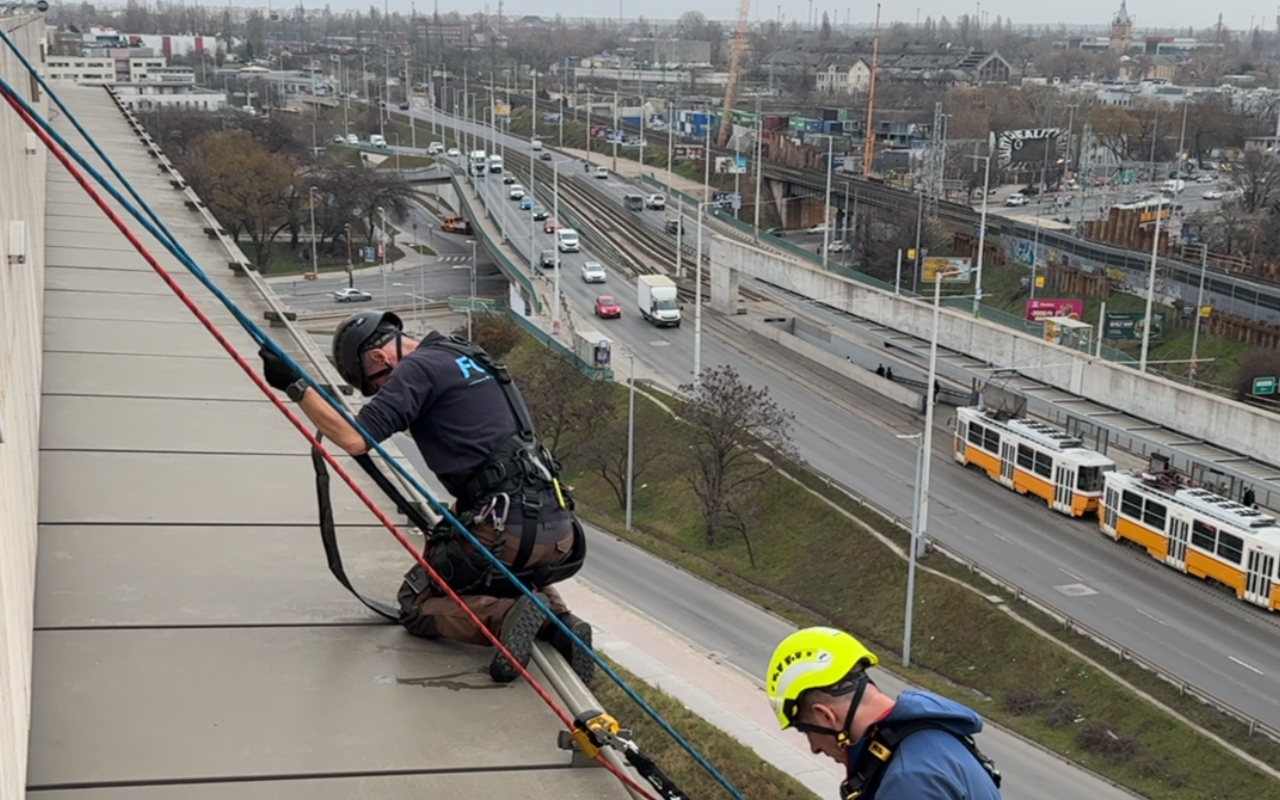
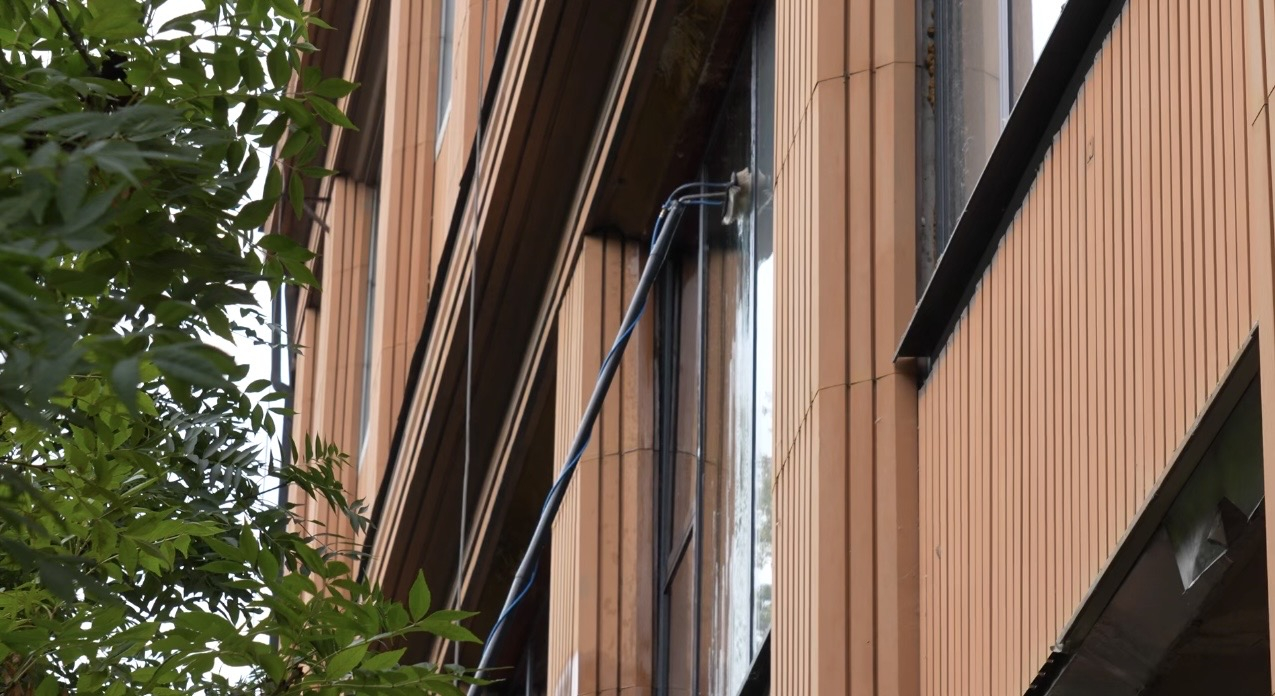
High or difficult-to-access glass surfaces can be cleaned using telescopic systems, lifting equipment, industrial rope access or, where conditions allow, DROZMÓ drone technology.
3. Pavements, paving stones and outdoor surfaces
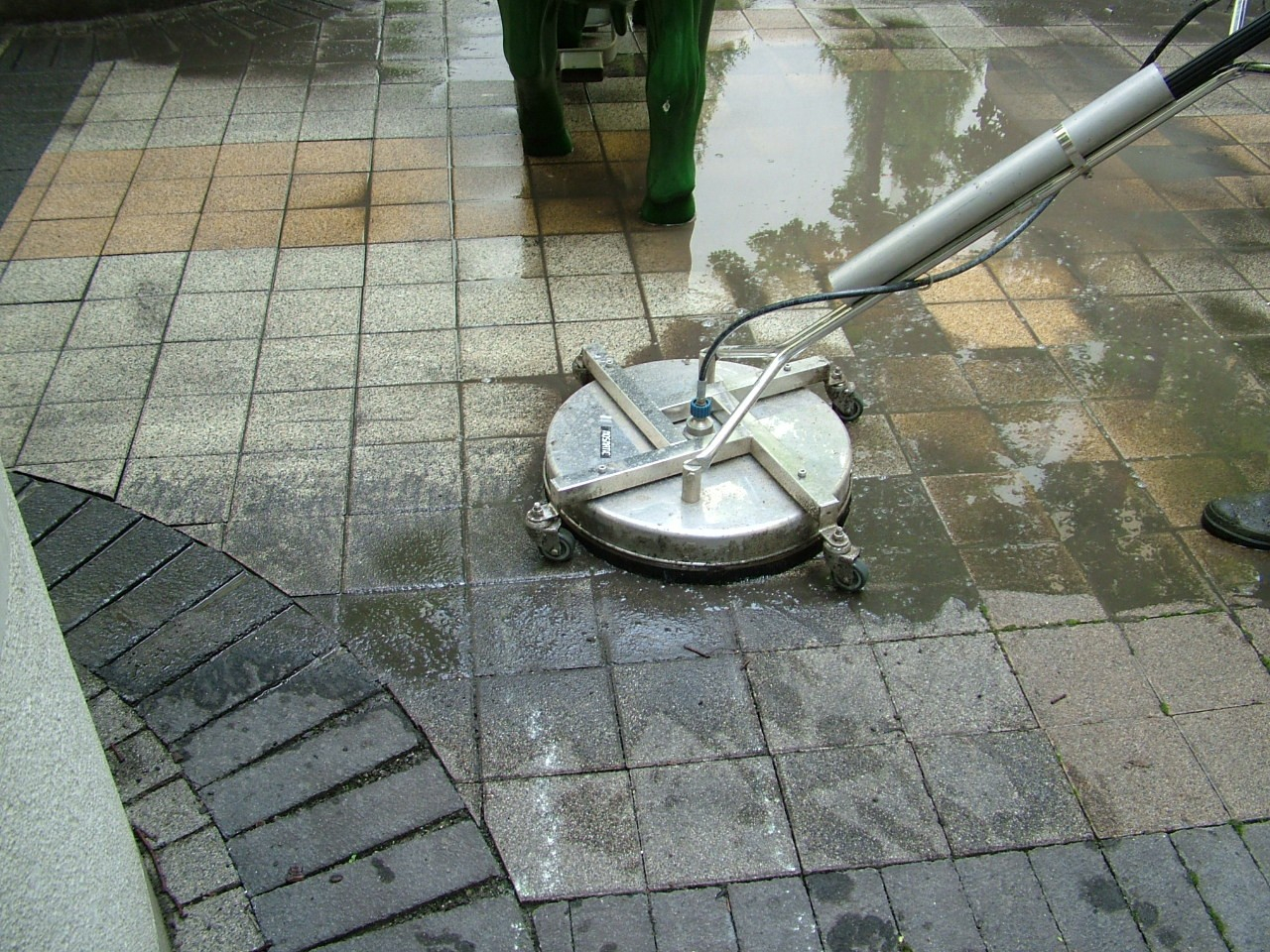
Entrances, pavements, paving stones, terraces, loading areas and other outdoor surfaces are exposed to substantial wear and contamination throughout the year. Dust, mud, oily residues, bird droppings and various environmental deposits can accumulate on them, while fallen leaves and other organic debris add further contamination in autumn.
Tennant's guidance on outdoor facility maintenance also specifically highlights the accumulation of leaves, dust and debris in car parks, loading areas and pedestrian routes during the autumn period.
At Fort, we use high-pressure water cleaning for surfaces including:
-
paving stones and block paving,
-
pavements,
-
terraces,
-
concrete surfaces,
-
industrial flooring,
-
and other suitable outdoor surfaces.
Pressure, nozzle type and working distance are always adjusted to the substrate. Block paving, a concrete loading area and a more sensitive stone surface do not require the same settings.
4. Solar panel cleaning
Solar panels should not be overlooked during exterior deep cleaning either.
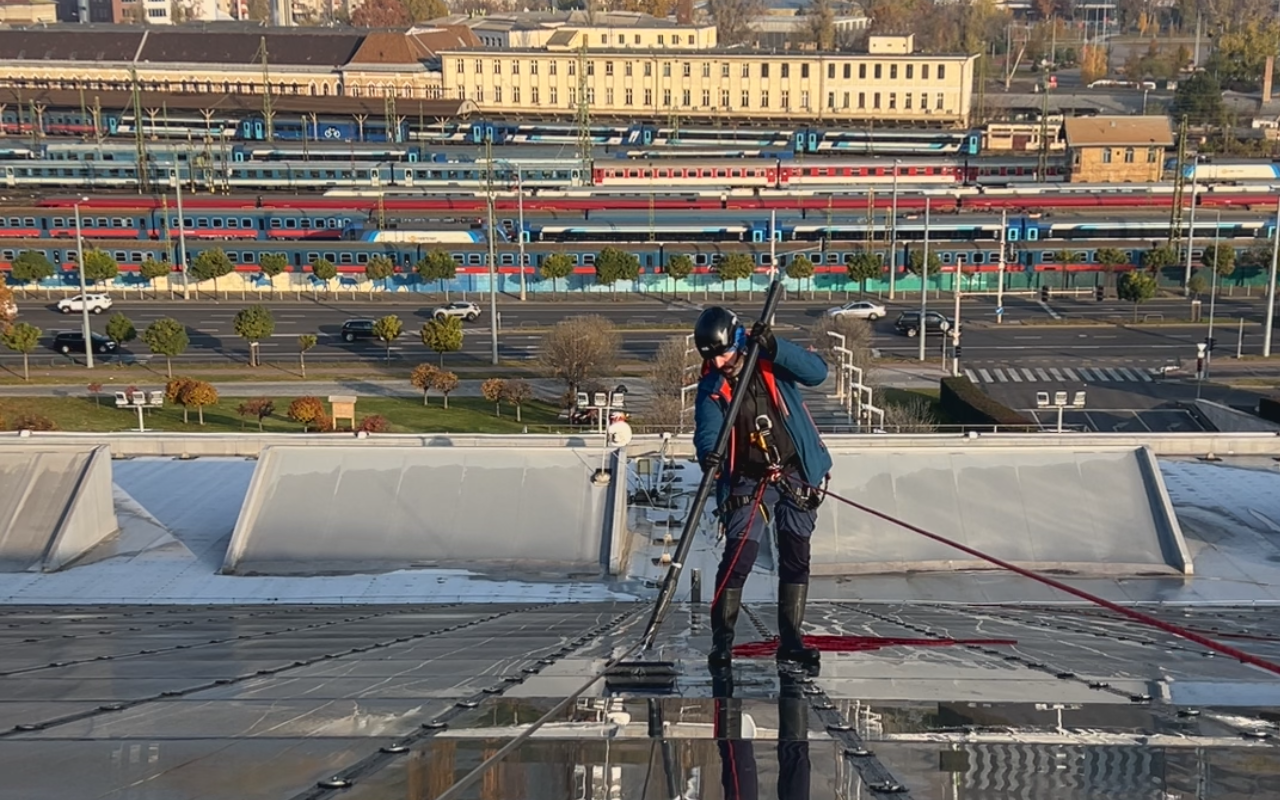
Dust, pollen, bird droppings and other environmental contamination can also accumulate on panel surfaces. At Fort, we use pure water technology for the regular cleaning of solar panels, where chemical-free operation and spot-free drying are particularly beneficial.
Here too, the season alone does not determine whether cleaning is necessary. The condition, location and level of contamination of the panels should be considered when deciding whether intervention is required.
5. Industrial halls: indoor areas deserve attention too
Pre-winter deep cleaning is not limited to outdoor tasks.
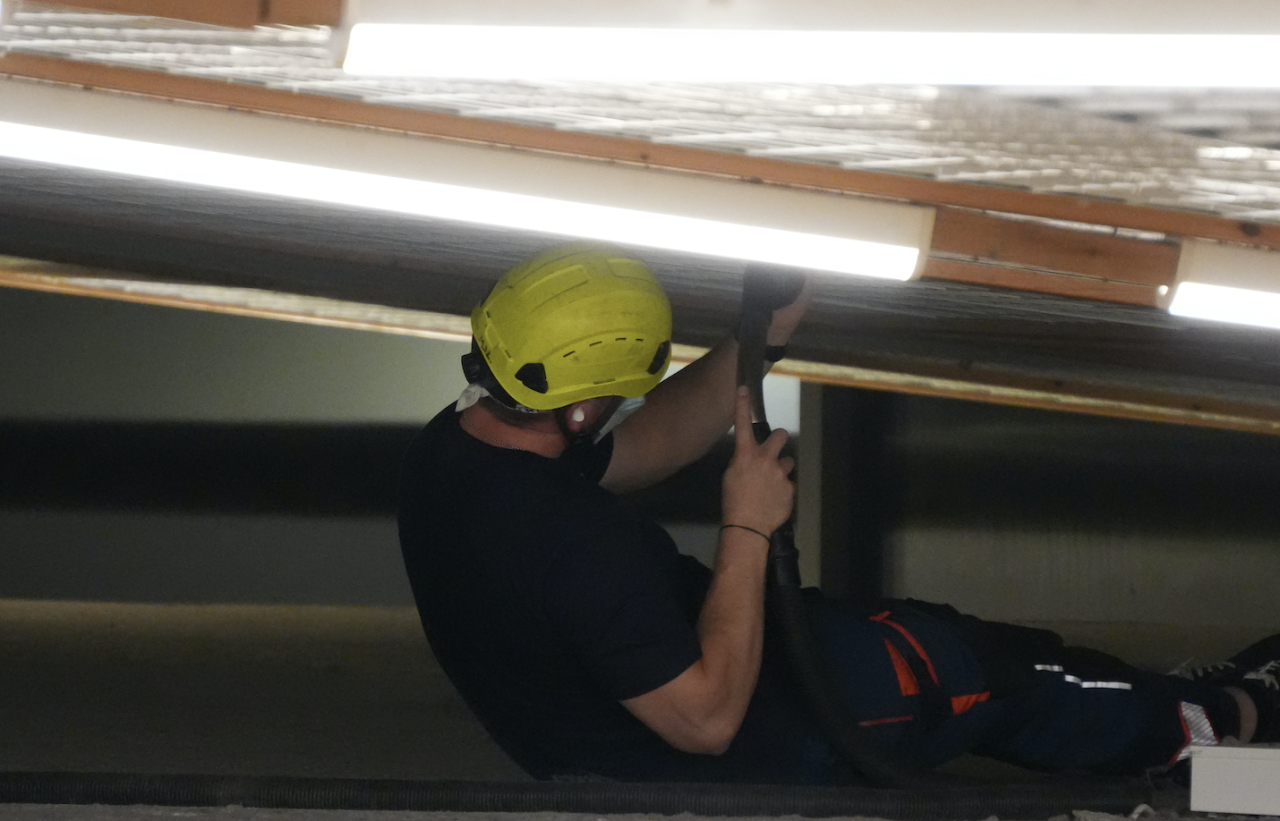
In an industrial hall or production facility, this period can also provide a good opportunity to clean areas that are regularly excluded from daily cleaning routines.
These may include:
-
dust removal from building structures,
-
cleaning elevated surfaces,
-
cleaning cranes and crane tracks,
-
cleaning glass surfaces,
-
cleaning suspended ceilings,
-
deep cleaning floors,
-
cleaning machinery and equipment,
-
dust removal from hard-to-reach areas.
When providing industrial deep cleaning services, Fort always starts with the specific operating environment. Unlike routine daily cleaning, these projects focus particularly on surfaces that are difficult to access or are not part of the regular cleaning schedule.
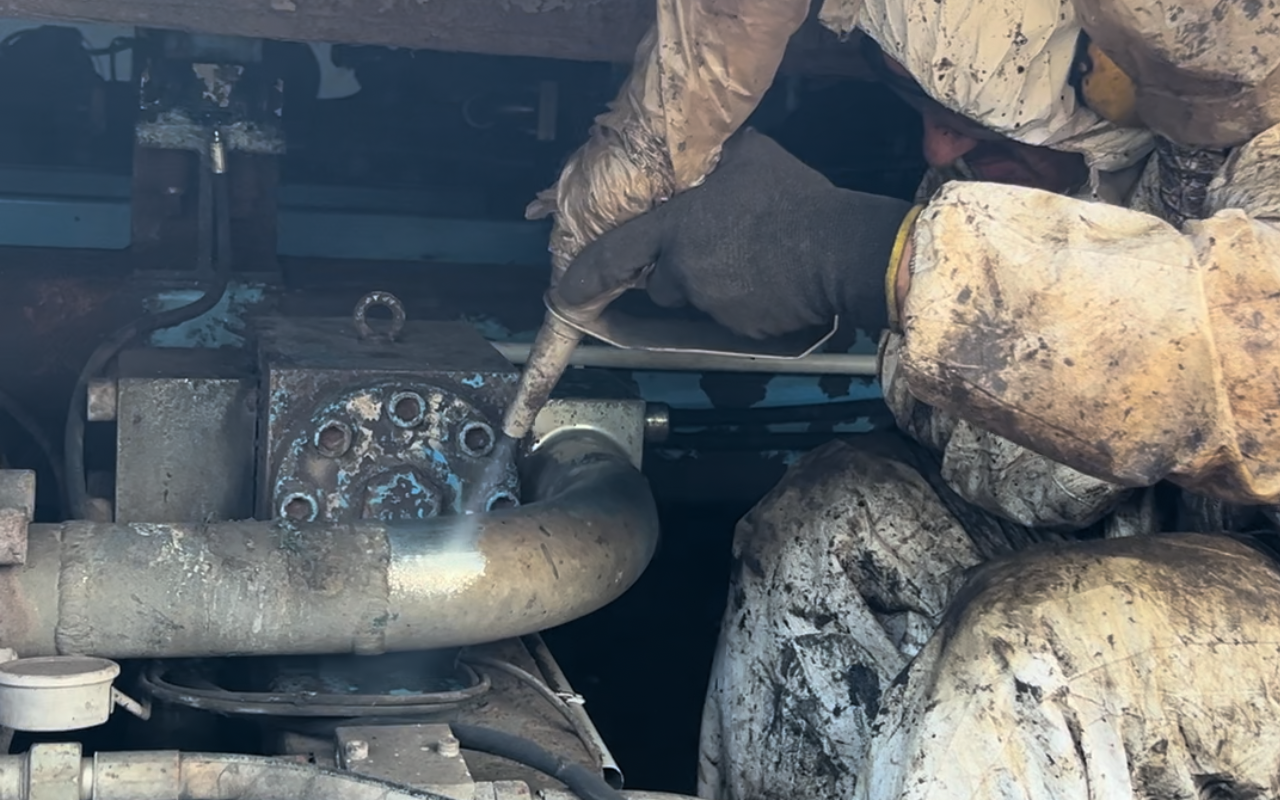
Depending on the surface and the contamination to be removed, we may use industrial vacuuming and dust extraction, high-pressure water cleaning, dry ice cleaning, abrasive blasting or laser cleaning.
Not everything needs to be cleaned at once
Pre-winter deep cleaning can easily turn into an endless checklist. In professional facility management, however, the goal is not to suddenly clean every surface simply because autumn has arrived.
More useful questions include:
-
Which surfaces show significant contamination?
-
Which areas are regularly missed during daily cleaning?
-
Which outdoor tasks will become more difficult in persistent cold weather?
-
Is there algae, moss or other biological growth on the facade?
-
What condition are the glass surfaces in?
-
How contaminated are the pavements and outdoor surfaces?
-
Are there elevated or hard-to-reach areas that have not been cleaned for a long time?
A thorough deep clean is not defined by cleaning everything at once, but by choosing the right technology for the surfaces that genuinely require attention.
Why is it worth taking a systematic approach?
For regularly maintained surfaces, a simpler cleaning method is often sufficient.
This is particularly clear in facade cleaning. If a glass or metal facade is mainly affected by dust and general environmental contamination, pure water cleaning may be sufficient and can even be carried out completely without chemicals. However, if contamination remains on the surface for a long period, or substantial biological, oily, paint-based or other specialist deposits develop, a more complex cleaning technology may be required.
Pre-winter deep cleaning can therefore also serve as a useful condition assessment point: it can reveal which surfaces need straightforward maintenance cleaning and where more substantial intervention may be necessary.
FAQ
When is the best time to clean a facade?
There is no universal cleaning interval that applies to every building. The appropriate frequency depends on factors such as the building's location, traffic levels, surface material, orientation, moisture exposure, surrounding vegetation and the type of contamination.
However, the period before persistent freezing temperatures arrive can be a practical time to complete water-based outdoor cleaning work.
Can every facade be cleaned with high-pressure water?
No. The technology must always be adapted to the substrate. Excessive or inappropriate pressure can damage sensitive, porous or already deteriorated surfaces, which is why prior condition assessment and correct technology selection are essential.
Can a facade be cleaned without chemicals?
Yes. Chemical-free facade cleaning can be carried out using pure water, DROZMÓ technology and, on suitable surfaces, high-pressure water.
However, not every type of contamination can be removed effectively without cleaning chemicals.
Can the facade of a high-rise building be cleaned?
Yes. Depending on site conditions, we can work using telescopic systems, scaffolding, lifting equipment, industrial rope access or drone technology.
Under suitable conditions, Fort's DROZMÓ system can be used at heights of up to 50 metres.
Does Fort only provide outdoor deep cleaning?
No. In addition to facade cleaning, window cleaning and outdoor surface cleaning, we also provide periodic deep cleaning for office buildings, industrial halls, factories, institutions and other facilities.
Before the cold weather sets in
Preparing for winter does not necessarily mean creating a long cleaning checklist. Instead, it is worth considering which surfaces are due for cleaning and which outdoor jobs should ideally be completed before persistent freezing temperatures arrive.
Facades, glass surfaces, pavements, paving stones, solar panels or an entire industrial hall: there is no single universal cleaning method.
With more than 35 years of experience, Fort selects the appropriate cleaning technology according to the contamination, the surface and the specific conditions of the site. From pure water and DROZMÓ facade cleaning to high-pressure water cleaning, dust removal and chemical treatment, as well as dry ice, abrasive blasting and laser technologies, we work with a wide range of solutions.
If you would like to clean and maintain the interior or exterior surfaces of your building before the cold weather arrives, contact us.
Following an assessment of the site and the contamination, we can help select the most suitable cleaning technology for the task.
Our services are available in Budapest and throughout Hungary.
We will respond to your request for a quote within 24 hours, and to your call immediately!
Videos