
Anilox roller cleaning
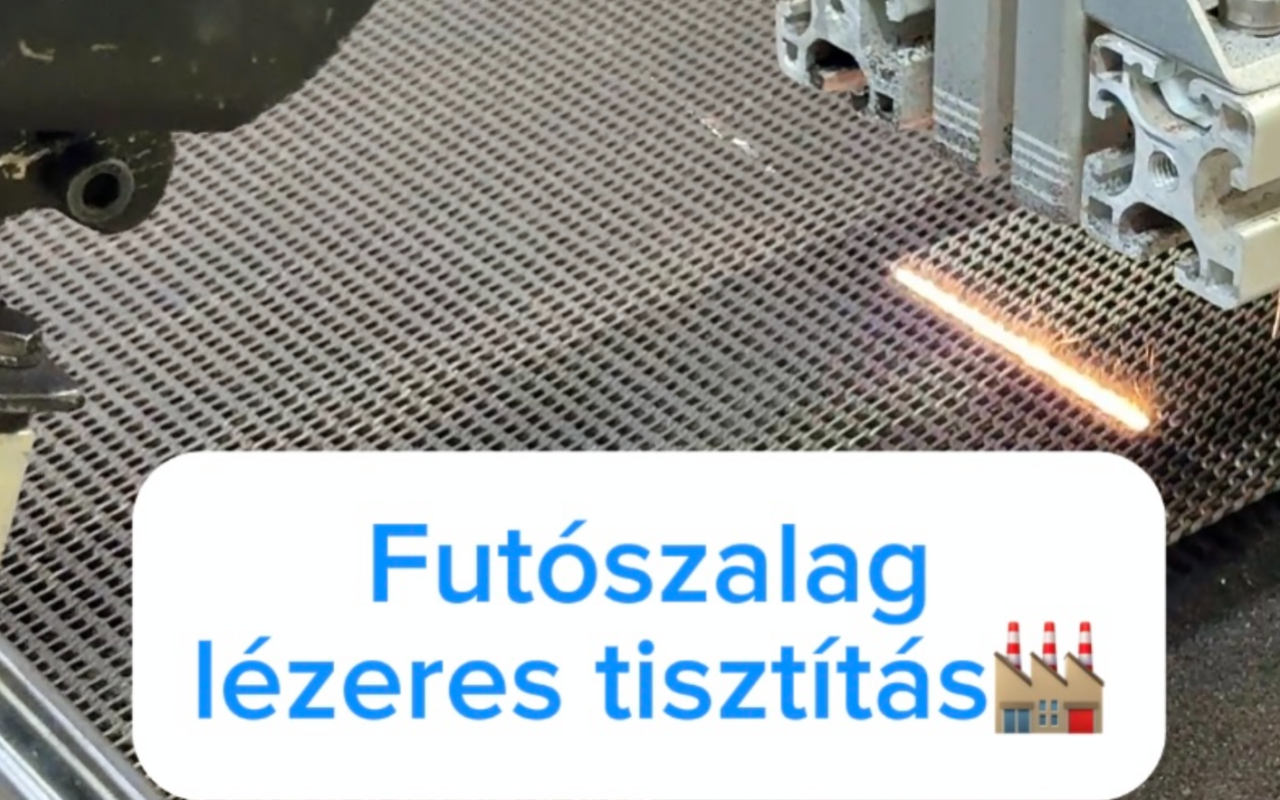
Anilox roller cleaning is a specialist cleaning service for the printing industry, carried out using laser technology. We recommend the service for printing companies where precise, controlled and chemical-free cleaning of anilox rollers is essential, along with the long-term maintenance of consistent print quality.
Over time, ink, varnish, adhesive and other printing-related residues can accumulate inside the cells of an anilox roller. These deposits can reduce roller performance, affect the volume of ink or coating transferred, and influence the uniformity of the printed result. The purpose of laser cleaning is to remove these deposits precisely from both the roller surface and the cell structure.
We can clean smaller anilox rollers in our own workshop. For larger rollers, rollers that are difficult to move, or rollers installed in a production environment, we can also work on-site at the customer’s premises, either while the roller remains installed in the machine or after removal. The working method is always determined according to the size, condition and accessibility of the roller and the characteristics of the printing environment.
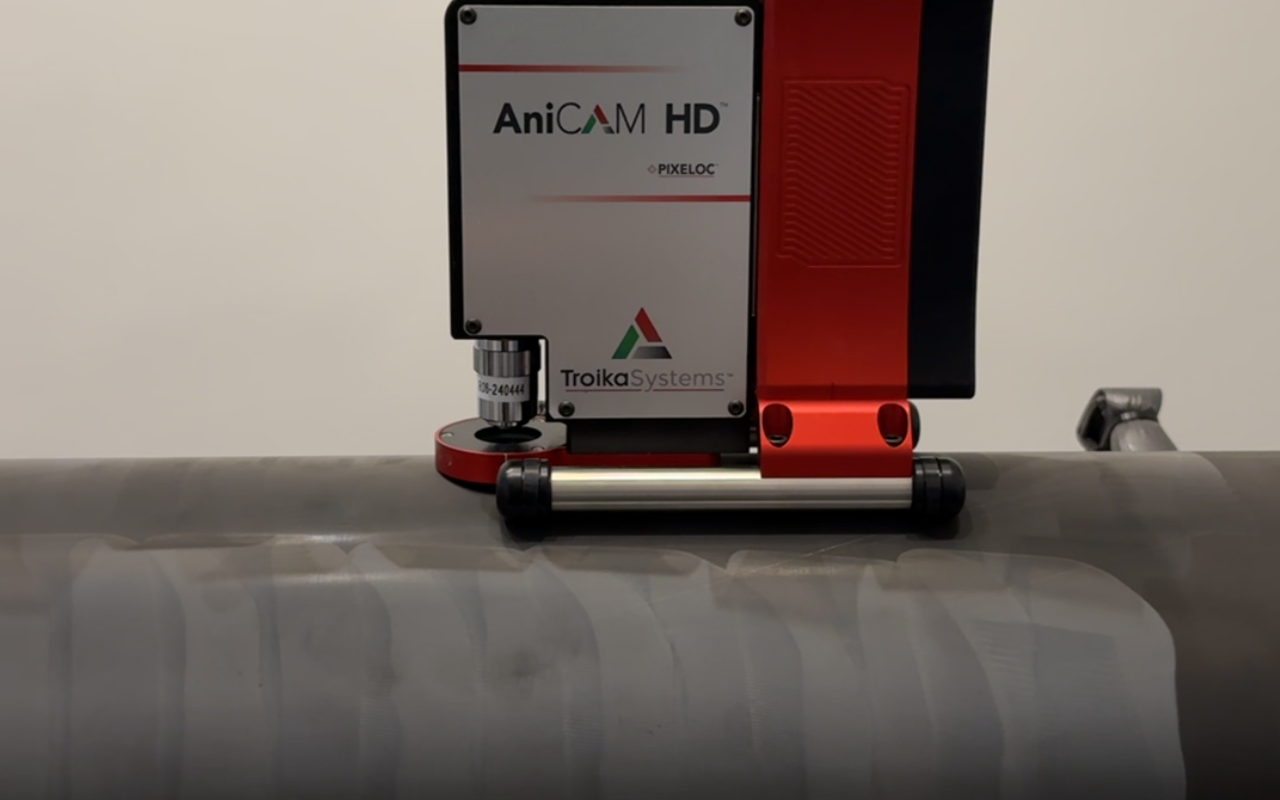
After cleaning, we can also provide Trojka measurement and a measurement report upon request. This can help document the cleaning result, assess the condition of the roller and support further maintenance and production decisions.
Which rollers and components do we clean?
-
Anilox rollers
-
Printing rollers
-
Smaller anilox rollers cleaned in our workshop
-
Larger anilox rollers cleaned on-site
-
Anilox rollers cleaned while installed in the machine
-
Removed anilox rollers
-
Precision components used in the printing industry
Which cleaning technology do we use?
-
Laser cleaning
-
Chemical-free cleaning for the printing industry
-
Trojka measurement upon request
-
Measurement report upon request
What types of contamination do we remove?
-
Ink residues
-
Varnish deposits
-
Adhesive residues
-
Printing industry contamination
-
Deposits accumulated inside the cells
-
Surface deposits
-
Dried or difficult-to-remove printing materials
-
Contamination that can affect print quality
Where do we provide anilox roller cleaning?
-
Printing plants
-
Flexographic printing environments
-
Packaging production facilities
-
Printing industry production areas
-
At the customer’s premises
-
In our own workshop
Why do we recommend anilox roller cleaning?
-
Precise and targeted laser cleaning technology
-
Chemical-free solution for printing rollers, avoiding the introduction of cleaning chemicals into the working environment
-
Smaller rollers can also be cleaned in our workshop
-
On-site cleaning is available
-
Cleaning can be carried out with the roller installed or removed
-
The process parameters are adapted to the condition of the roller and the contamination
-
Can help maintain consistent print quality
-
Trojka measurement reports are available upon request
-
Suitable as part of regular printing press maintenance
When is anilox roller cleaning recommended?
-
when ink, varnish or adhesive has accumulated inside the roller cells
-
when print uniformity or print quality begins to deteriorate
-
as part of a printing maintenance programme
-
during periodic roller inspection and cleaning
-
when manual or conventional cleaning no longer delivers satisfactory results
-
when controlled cleaning is important
-
when the condition of the roller needs to be documented using Trojka measurement
Frequently Asked Questions
What signs indicate that an anilox roller may need cleaning?
Cleaning may be required if print uniformity deteriorates, the amount of ink or varnish transferred changes, coverage becomes weaker, or the roller no longer performs as consistently as before. In these cases, it is worth checking whether deposits have accumulated inside the cells.
When is Trojka measurement recommended?
Trojka measurement is recommended when the condition of the anilox roller needs to be documented, the effectiveness of the cleaning needs to be verified, or more precise data is required for maintenance decisions. It can also be useful for regular condition monitoring and quality assurance processes.
Why is it important to check the condition of the cells?
The condition of the cells has a direct effect on the performance of the anilox roller. If the cells are blocked or remain partially contaminated, this can affect material transfer and print quality. Regular inspection helps identify when cleaning or additional maintenance may be required.
Can an anilox roller be cleaned in a production environment?
Yes. In certain cases, an anilox roller can be cleaned on-site at the customer’s premises within the production environment. The working method depends on whether the roller is accessible while installed or after removal, its size, and the conditions required to carry out the cleaning safely.
How often should anilox roller cleaning be scheduled?
Cleaning frequency depends on the printing process, the inks, varnishes and adhesives used, production intensity and quality requirements. With regular use, anilox roller cleaning is best treated as part of a preventive maintenance programme, rather than waiting until visible print defects appear.
Choosing the right cleaning technology for the printing industry can result in significant time and cost savings.
For more than 35 years, we have been helping our clients select the most effective surface cleaning and printing industry cleaning solutions throughout Budapest and across Hungary.
Videos
We will respond to your request for a quote within 24 hours, and to your call immediately!