
Industrial tool and component cleaning services
Industrial tool and component cleaning is a specialist industrial cleaning service for production tools, tooling, machine components and a wide range of individual parts. The appropriate cleaning technology is always selected according to the material, condition, size and mobility of the item, as well as the type of contamination.
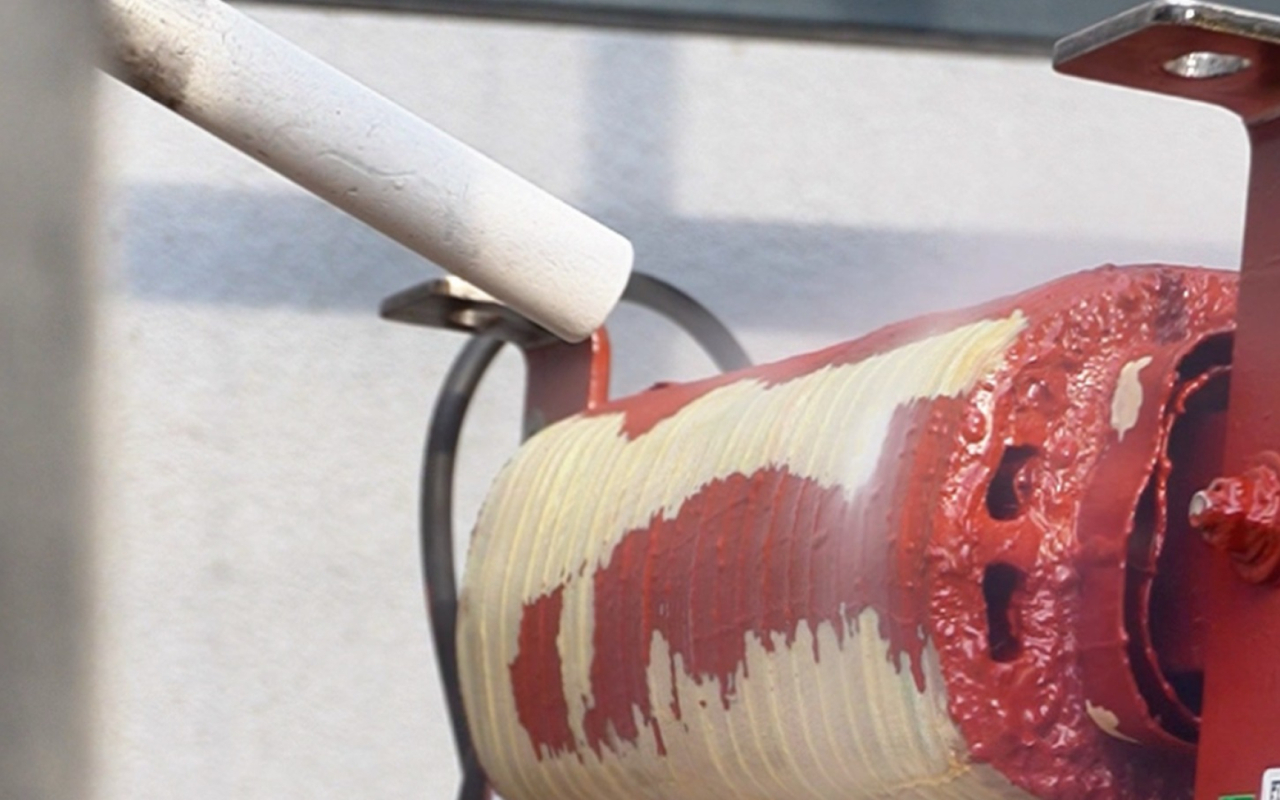
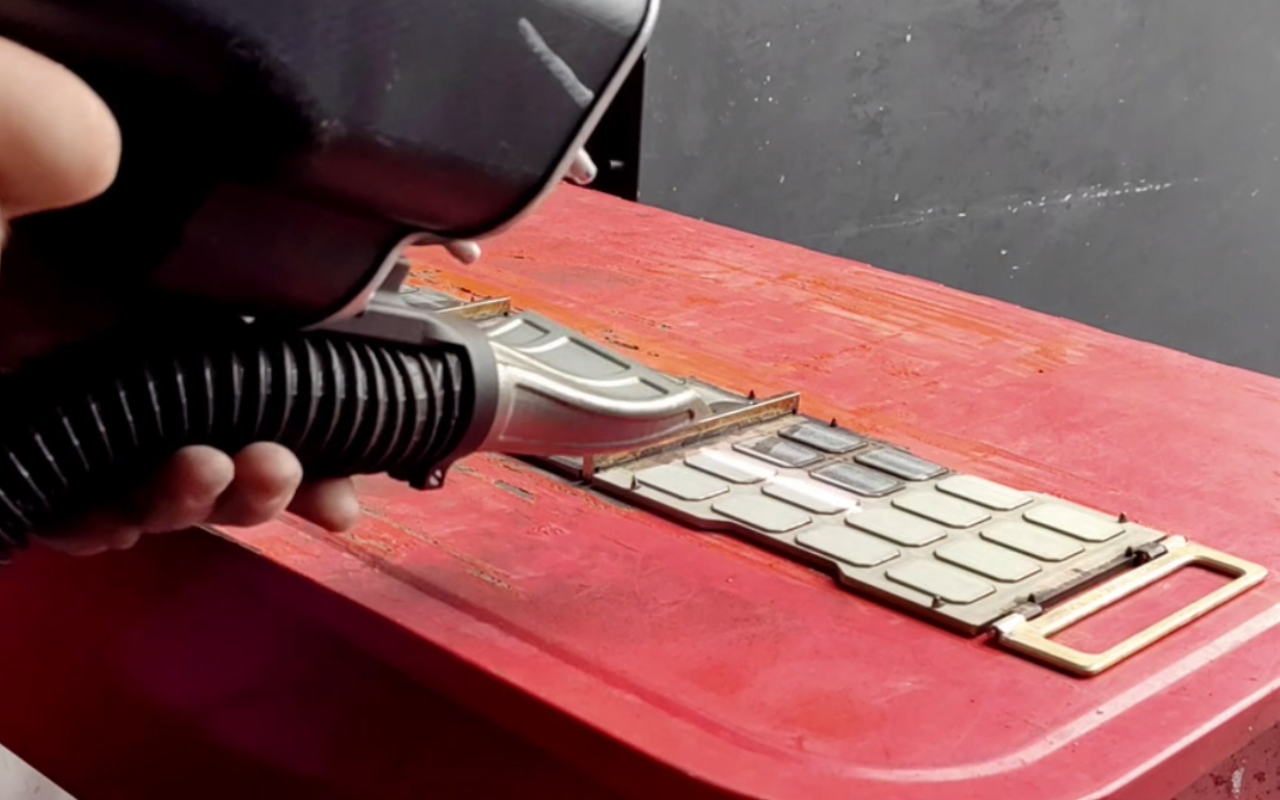
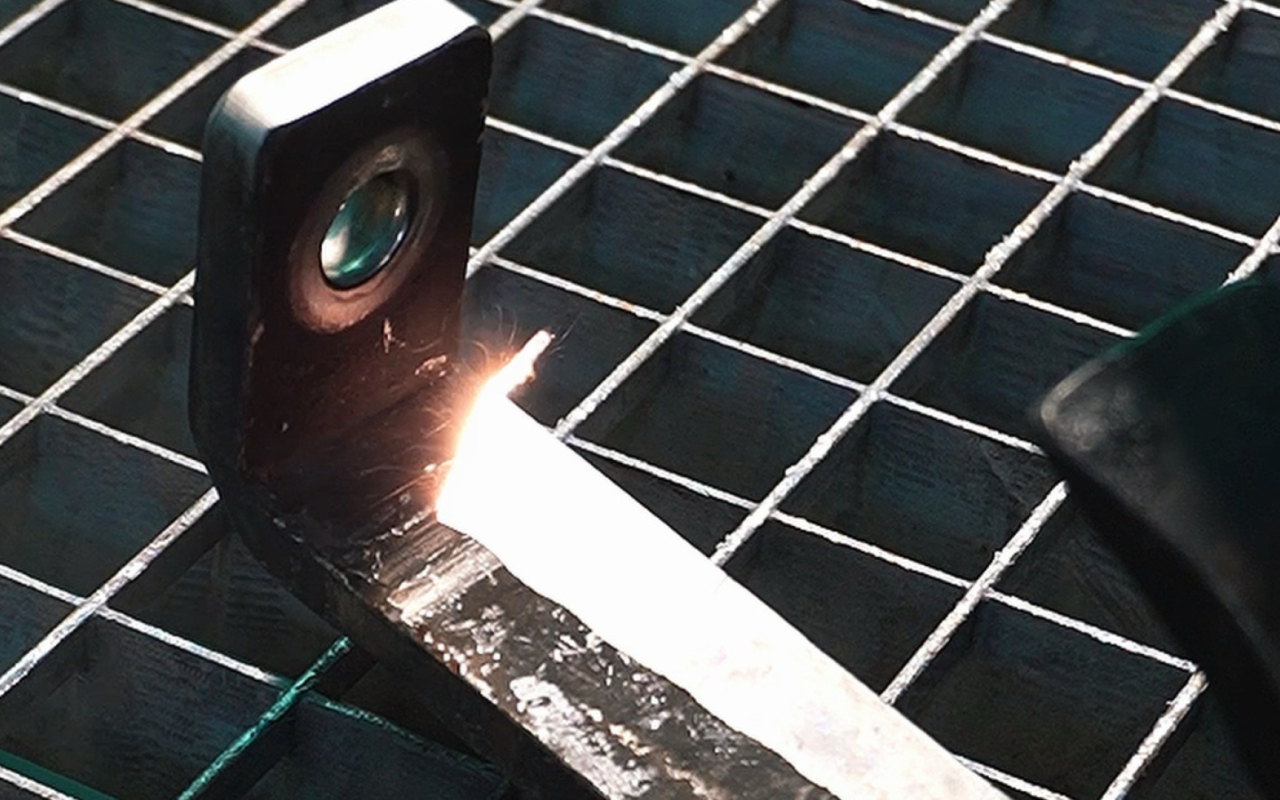
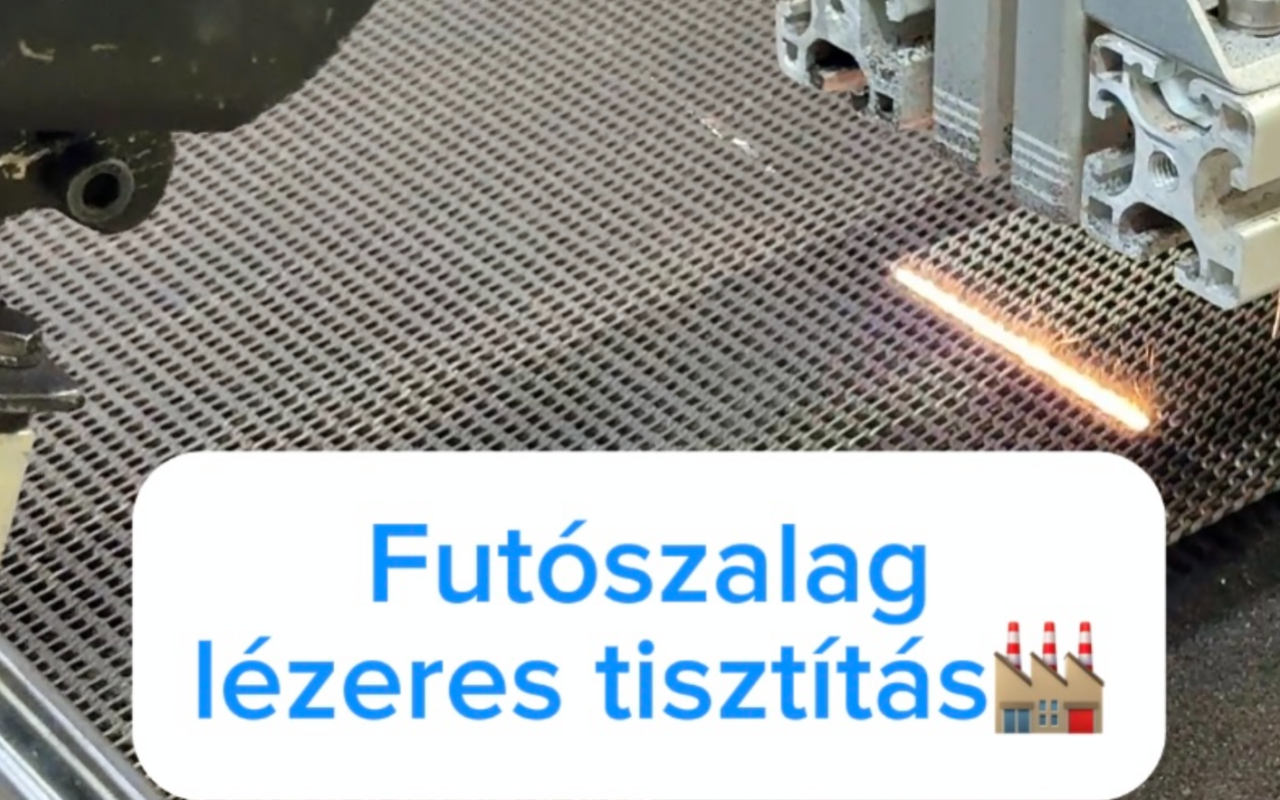
Depending on the customer’s requirements, we provide chemical cleaning, dry ice cleaning, ultrasonic cleaning, abrasive blasting and laser cleaning. These technologies can be used to remove oil, tar, plastic and rubber residues, paint, resin, varnish and other stubborn industrial contamination. The aim of technology selection is to ensure effective cleaning while protecting the underlying surface as far as possible.
Contamination on tools and components can vary significantly in composition, which means the same cleaning method is not suitable for every task. Based on our technical experience, we assess the contamination, surface and objective of the cleaning, then recommend the most appropriate process or combination of technologies.
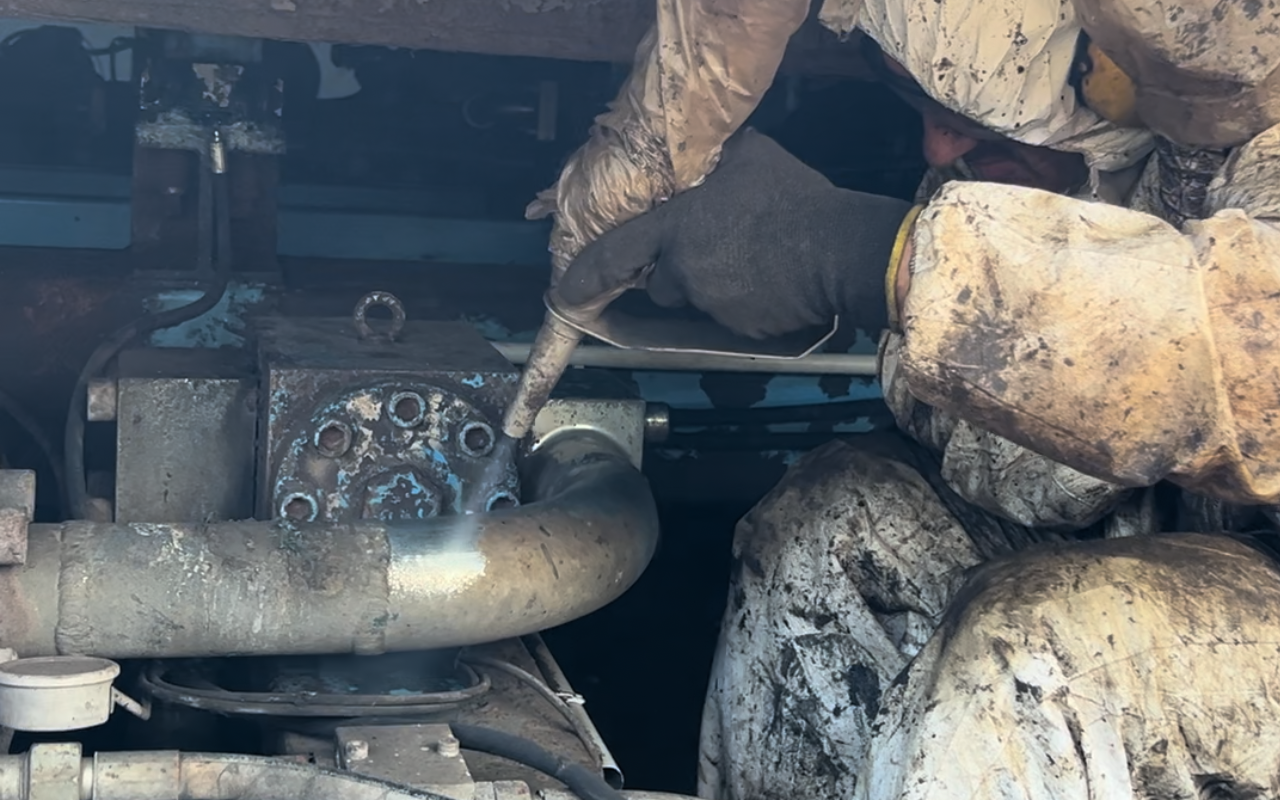
We can clean smaller components and tools in our own workshop. For larger, difficult-to-move or production-integrated equipment, we can also work on-site at the customer’s premises. The working method is always selected according to the specific component, tool, production environment and operational requirements.
Which tools and components do we clean?
-
Industrial tools
-
Production tooling and equipment
-
Machine components
-
Individual parts and components
-
Printing industry components
-
Food industry tools and components
-
Tools used in production processes
-
Tools and components affected by stubborn contamination
Which technologies do we use?
-
Chemical tool and component cleaning
-
Laser cleaning
-
Dry ice cleaning
-
Ultrasonic cleaning
-
Abrasive blasting
-
Component cleaning in our workshop and on-site
-
Specialist cleaning methods adapted to the task
-
A combination of several technologies where required
What types of contamination do we remove?
-
Oil
-
Tar
-
Plastic residues
-
Rubber residues
-
Paint
-
Resin
-
Varnish
-
Grease contamination
-
Industrial deposits
-
Contamination resulting from production processes
-
Stubborn, difficult-to-remove surface contamination
Where do we provide tool and component cleaning?
-
Factories
-
Printing plants
-
Commercial kitchens
-
Bakeries
-
Pastry shops
-
Restaurants
-
Cafés
-
Food industry environments
-
Industrial production areas
-
At the customer’s premises
-
In our own workshop for smaller components
Why do we recommend this service?
-
We use multiple cleaning technologies
-
The technology is adapted to the type of contamination and the material of the component
-
On-site cleaning is available for larger or installed equipment
-
Suitable for removing stubborn industrial contamination
-
Well suited to maintenance of production tools and equipment
-
We aim to protect the underlying surface during cleaning
-
Can support the reliable operation of tools, components and production equipment
When is tool and component cleaning recommended?
-
when oil, tar, paint, resin or varnish has accumulated on tools
-
for removing plastic or rubber residues
-
during the periodic maintenance of production tooling
-
for cleaning contaminated printing or food industry components
-
when manual cleaning no longer provides a satisfactory result
-
when the surface of the item needs to be treated gently and with a targeted cleaning technology
Frequently Asked Questions
How can we determine whether a component can be cleaned safely?
The material, surface condition, precision requirements, sensitive areas and type of contamination must all be considered. With precision or fragile components, it is particularly important that the selected cleaning technology is not only effective but also controllable.
When is workshop cleaning recommended for components?
Workshop cleaning can be advantageous when the component can be transported safely, is relatively small, or requires a technology that can be used more effectively in a controlled environment. It is particularly useful for smaller tools, machine components and precision parts.
Why is it important to identify the type of deposit before cleaning?
Different technologies may be required to remove oil, tar, plastic residues, rubber residues, resin, varnish or paint. The type of deposit determines whether chemical, dry ice, laser, ultrasonic, abrasive blasting or a combined cleaning process is likely to provide the best result.
Can the component be returned to service immediately after cleaning?
This depends on the cleaning technology, the material of the component and its subsequent operating requirements. In some cases, the component can be returned to use after minimal preparation, while in others drying, inspection or further surface treatment may be required.
When is a combination of technologies required?
A combination may be appropriate when the contamination consists of several layers, contains deposits of different materials, or different areas of the component require different levels of cleaning intensity. In these cases, a targeted combination of technologies can provide a better result than a single method used on its own.
Choosing the right tool and component cleaning technology can result in significant time and cost savings.
For more than 35 years, we have been helping our clients select the most effective surface cleaning and industrial cleaning solutions throughout Budapest and across Hungary.
Videos
We will respond to your request for a quote within 24 hours, and to your call immediately!