
Dry ice cleaning
Dry Ice Cleaning / Dry Ice Blasting
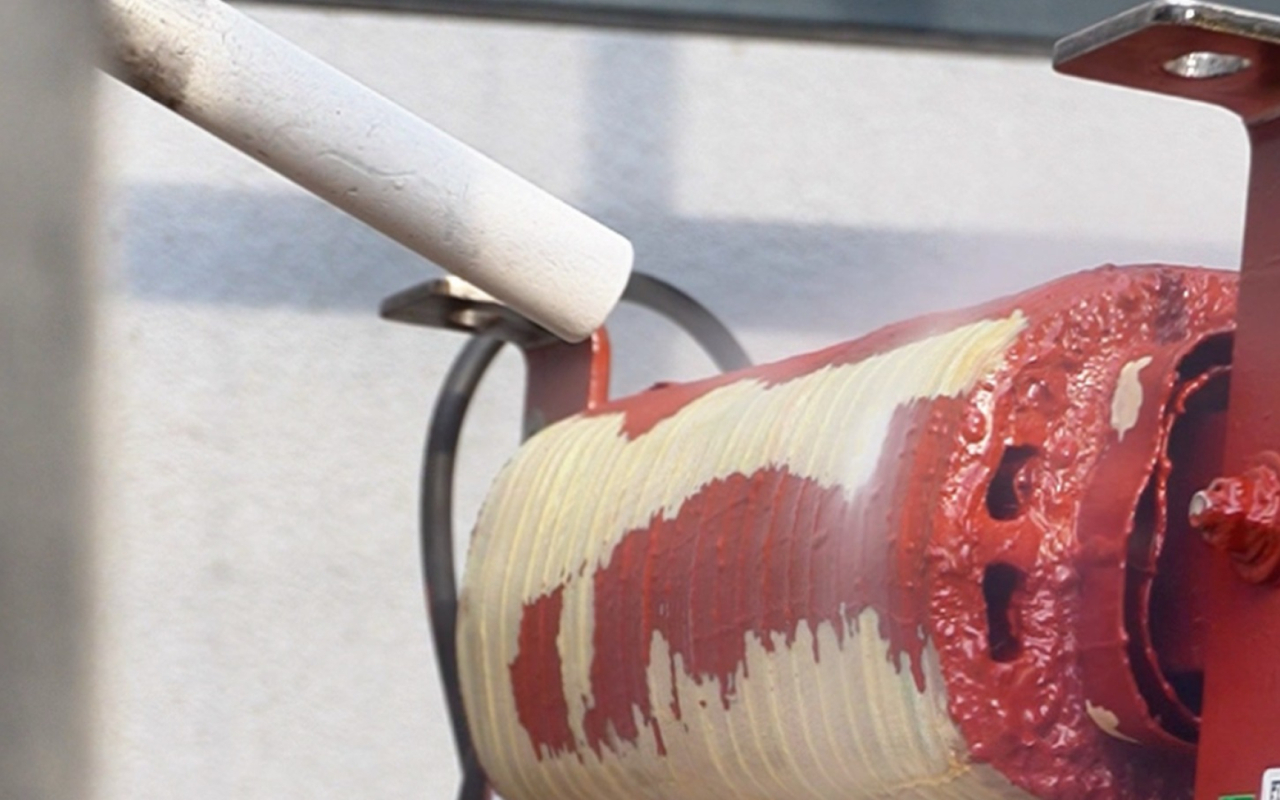
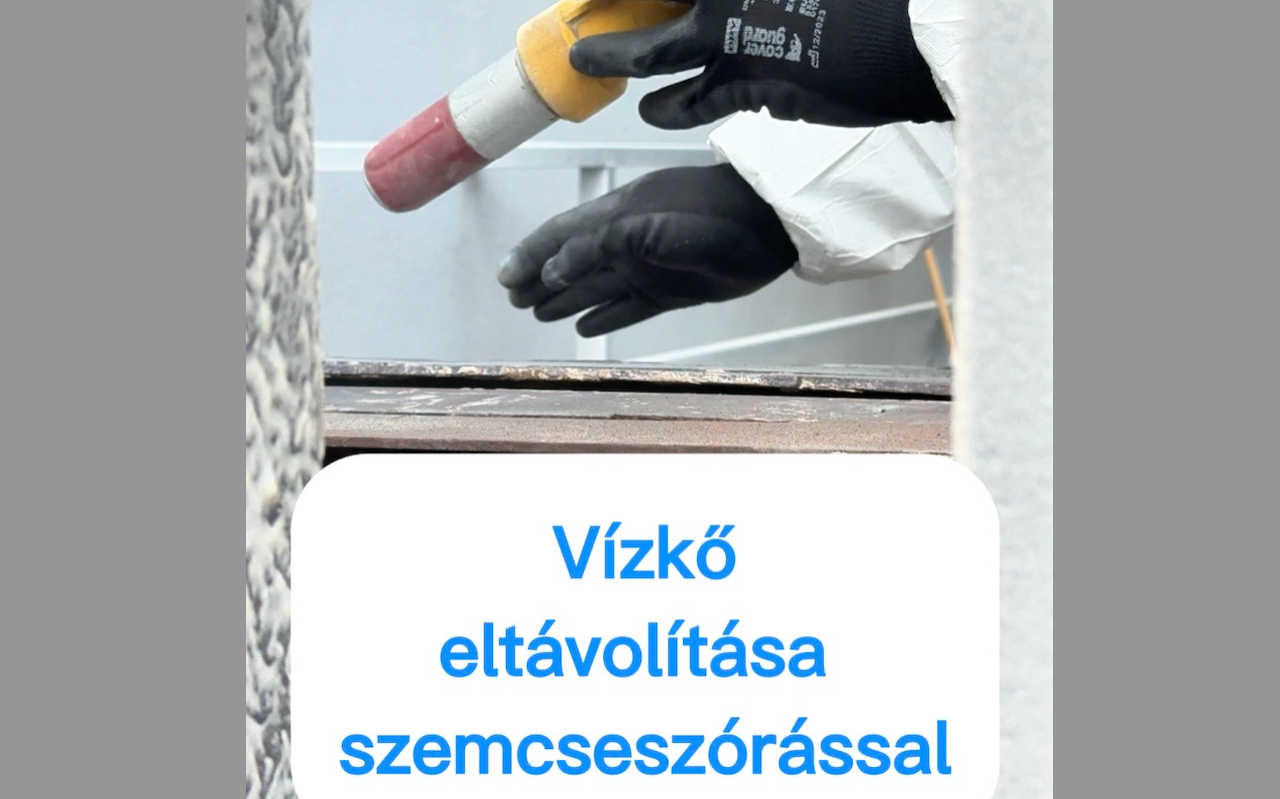
Dry ice cleaning, also known as dry ice blasting, is a chemical-free surface cleaning technology that uses the thermal and kinetic energy of dry ice to remove contaminants. The dry ice is propelled onto the surface using a high volume of compressed air at the appropriate pressure. The sudden temperature change combined with the impact energy loosens and removes the contamination.
A key advantage of the technology is that the dry ice sublimates directly from a solid into a gas during the cleaning process, meaning that no blasting media or secondary cleaning residue is left behind. This is particularly beneficial when cleaning objects, devices, machines and equipment with gaps, complex components or hard-to-reach areas.
We use dry ice blasting to clean automotive components, delicate or complex parts, press tools, printing machinery and food industry equipment. Cleaning can be carried out on-site or at our own workshop, and the most suitable method is selected according to the object, equipment or component being cleaned and the conditions of the working environment. The technology is particularly useful where manual cleaning would be difficult, time-consuming or unable to achieve the required result.
No cleaning chemicals are required, making dry ice blasting an environmentally conscious cleaning solution. The process parameters are always adapted to the material and condition of the surface, the type of contamination and the objective of the cleaning task.
Which surfaces and equipment can be cleaned using dry ice blasting?
-
Automotive components
-
Delicate and complex components
-
Press tools and dies
-
Printing machinery
-
Food industry equipment
-
Machines and industrial equipment
-
Hard-to-reach areas
-
Objects with gaps, recesses and complex surfaces
-
Metal surfaces
What types of contamination can be removed with dry ice blasting?
-
Paint
-
Oil
-
Dust
-
Grease
-
Organic contamination
-
Deposits
-
Industrial contamination
-
Certain types of surface rust
Why do we recommend dry ice blasting?
-
Chemical-free technology and an environmentally conscious solution
-
No blasting media residue is left behind
-
Can be carried out on-site or at our own workshop
-
Suitable for complex and intricate surfaces
-
Effective for cleaning gaps and hard-to-reach areas
-
Effective for cleaning machines, tools and equipment
-
No water required
-
Well suited to industrial, printing and food industry environments
-
In many cases, it can reduce the need for dismantling or manual cleaning
When is dry ice cleaning recommended?
-
for cleaning components with complex geometries
-
for maintenance cleaning of machines and equipment
-
for the occasional cleaning of press tools and dies
-
for the periodic cleaning of printing machinery and components
-
for the occasional cleaning of food industry equipment
-
where chemical-free cleaning is important
-
for applications where the use of water, abrasive media or aggressive chemicals is undesirable
-
for cleaning hard-to-reach areas, gaps and complex surfaces
-
for components or equipment that can be cleaned either on-site or in a workshop environment
Frequently Asked Questions
Why is it beneficial that dry ice leaves no blasting media behind?
Dry ice sublimates into gas during the cleaning process, so no sand, abrasive particles or other blasting media remain on the surface. This is particularly advantageous when cleaning machines, equipment, gaps and complex components, where residual blasting media could cause problems.
Does the equipment need to be dismantled before dry ice cleaning?
In many cases, full dismantling can be reduced or avoided, as dry ice blasting can also be used on hard-to-reach areas, gaps and complex surfaces. The exact working method is always determined according to the design and condition of the equipment and the type of contamination.
Is dry ice cleaning carried out on-site or in a workshop?
We can perform dry ice cleaning both on-site and at our own workshop. The most suitable working method is selected according to the size and mobility of the item, the condition of the equipment, the type of contamination and the characteristics of the working environment.
Can dry ice blasting damage the underlying surface?
The parameters of the dry ice blasting process are always adapted to the material of the surface and the type of contamination. By selecting the appropriate pressure, pellet size and working method, we achieve effective cleaning while aiming to preserve the integrity of the underlying surface.
When is dry ice cleaning not the most suitable solution?
For thick coatings, severe corrosion, deeply bonded rust or applications requiring substantial material removal, another technology may be more appropriate, such as abrasive blasting, laser cleaning or high-pressure water cleaning. The most suitable method is always selected according to the surface, the contamination and the objective of the cleaning task.
Choosing the right surface treatment technology can result in significant time and cost savings.
For more than 35 years, Fort Facility has been helping its clients select the most effective surface cleaning technology for their requirements throughout Budapest and across Hungary.
Videos
We will respond to your request for a quote within 24 hours, and to your call immediately!