
Laser cleaning
Laser Cleaning
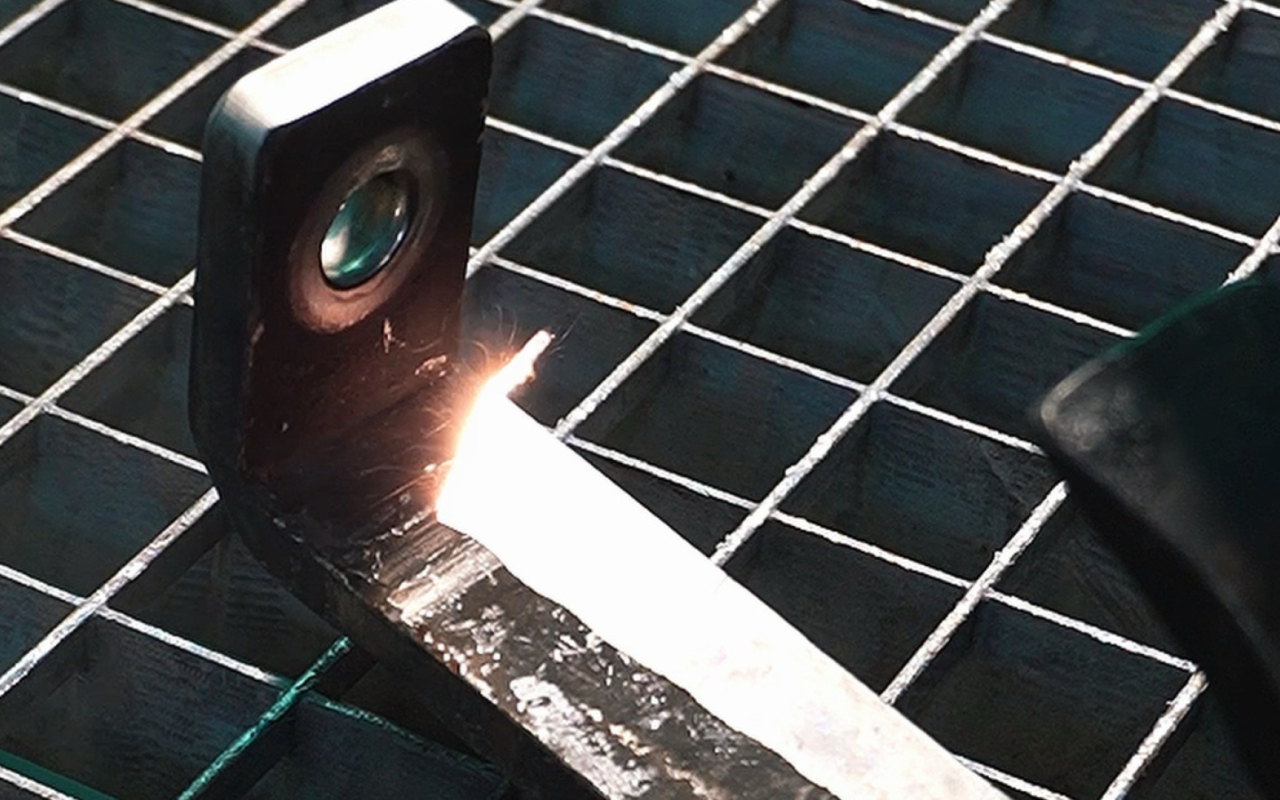
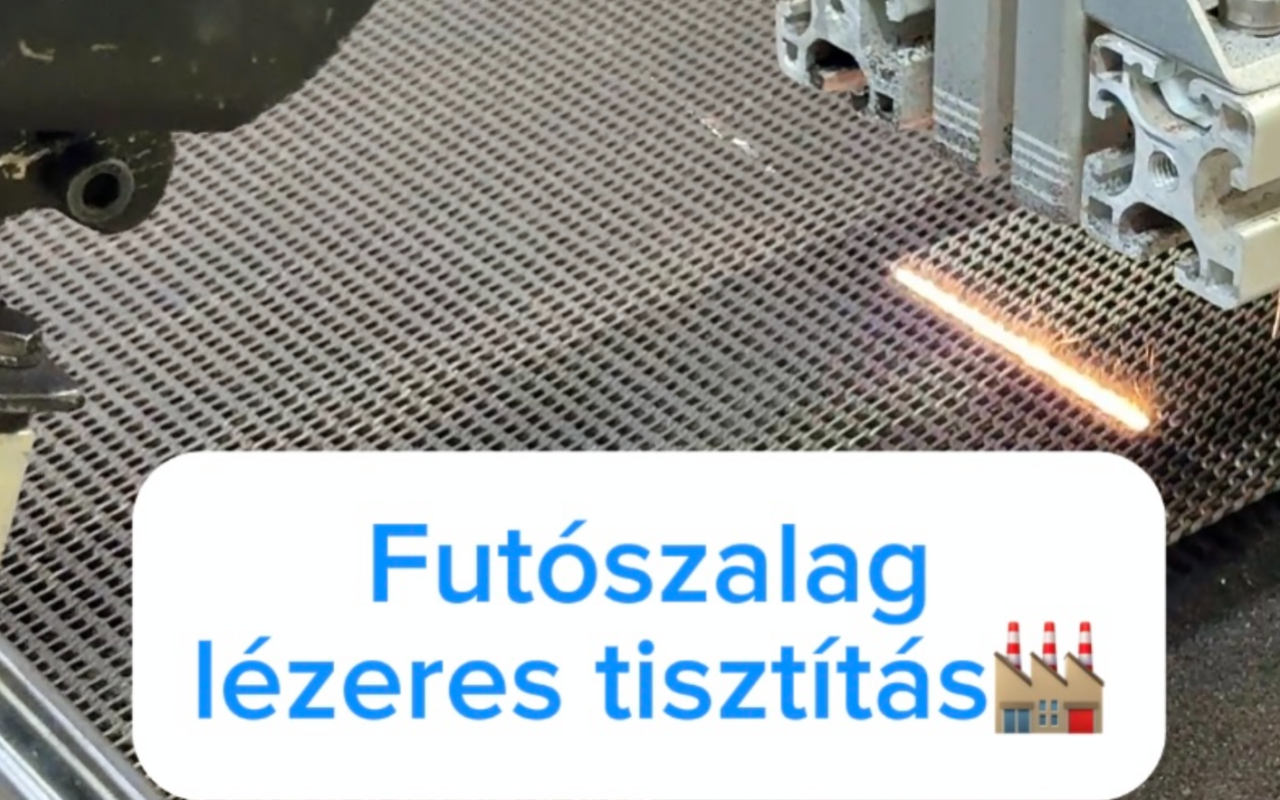
Laser cleaning is a precise, chemical-free surface cleaning technology that uses the energy of laser light to remove contaminants from surfaces. A focused laser beam generated by specialised equipment uses controlled thermal effects to loosen and remove contaminants such as rust, paint, oil, grease and organic deposits.
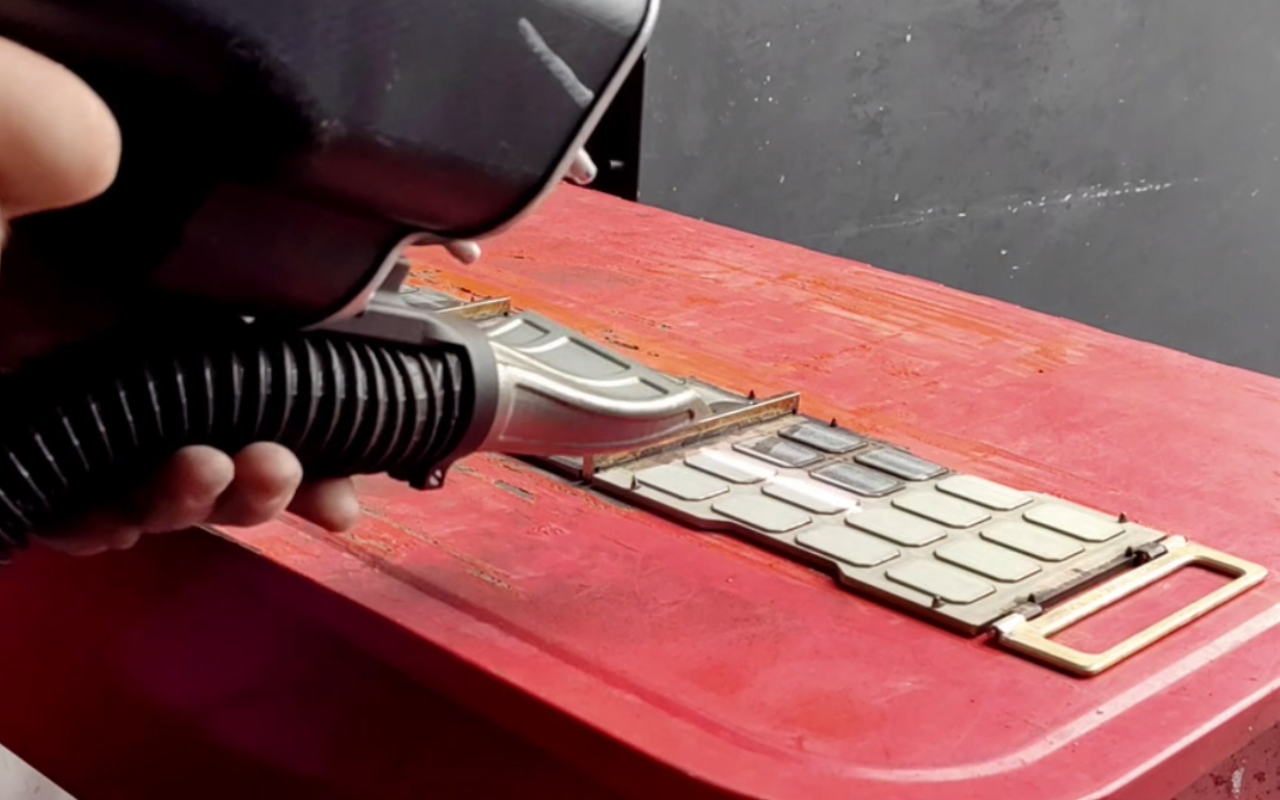
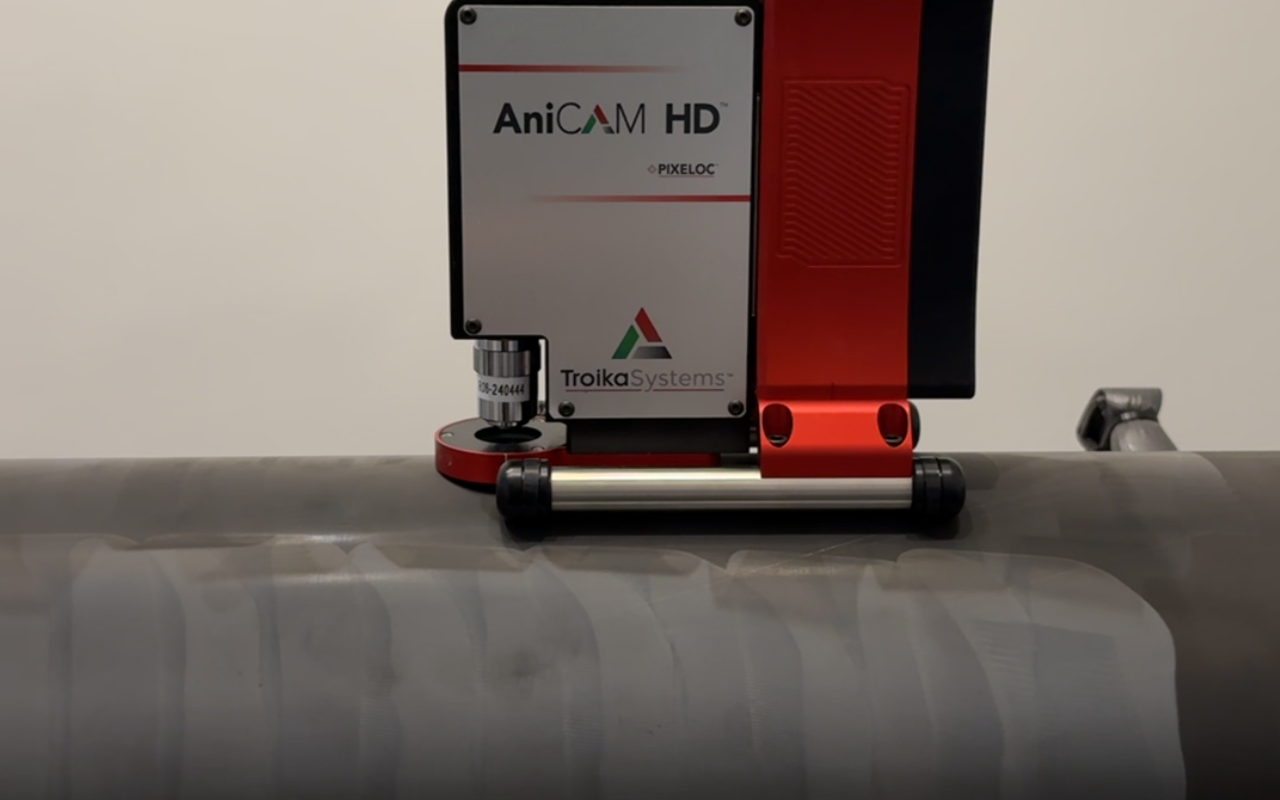
The technology is primarily used for cleaning components, parts, equipment and tools with complex geometries, intricate surfaces or sensitive shapes. Laser cleaning can be used effectively on a wide range of applications, including automotive components, industrial machine parts, press tools, printing anilox rollers and food industry equipment.
We use a mobile 1,000-watt fibre laser system suitable for on-site cleaning. In many cases, this means that the object, component or equipment does not need to be moved, dismantled or transported: laser cleaning can be carried out directly at the customer’s site.
We can therefore perform laser cleaning on-site or at our own workshop, depending on the size, mobility and characteristics of the item, component or equipment to be cleaned, as well as the conditions at the site.
Laser cleaning is particularly advantageous where precision, targeted treatment, surface protection and chemical-free cleaning are important. No cleaning chemicals are required during the process, making it an environmentally conscious solution that does not introduce chemical agents into the working environment.
A major advantage of the technology is that it requires no abrasive blasting media, water or aggressive chemicals. With the appropriate settings, the laser cleaning process can be adapted to the material and condition of the surface and the type of contamination, allowing us to achieve precise and effective cleaning results.
Which surfaces and equipment can be cleaned with laser technology?
-
Automotive components
-
Industrial components
-
Machine parts
-
Press tools and dies
-
Printing anilox rollers
-
Food industry equipment
-
Components with complex geometries
-
Intricate or hard-to-reach surfaces
-
Metal surfaces
-
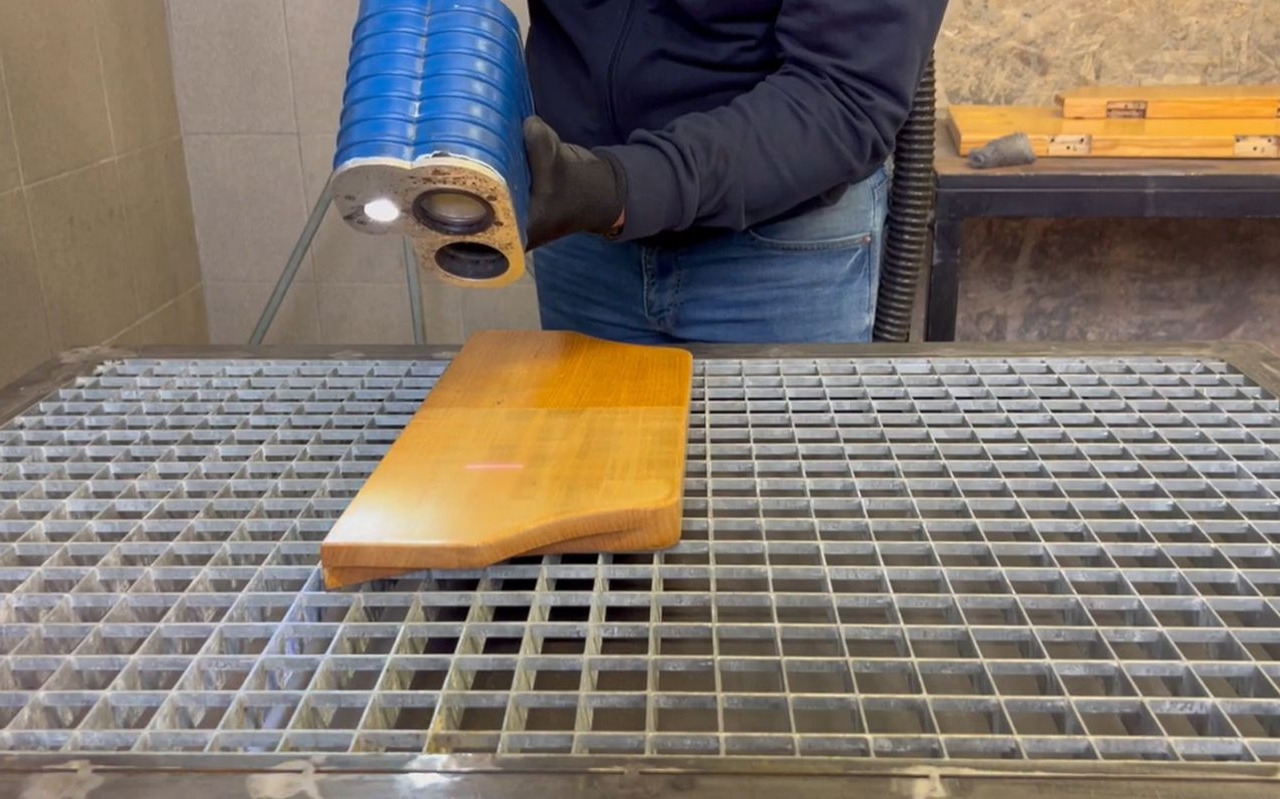
Wooden surfaces
-
Concrete surfaces and floor tiles
-
On-site laser cleaning
What types of contamination can be removed with laser cleaning?
-
Rust
-
Paint
-
Oil
-
Grease
-
Organic contamination
-
Deposits
-
Surface oxides
-
Industrial contamination
Why do we recommend laser cleaning?
-
Chemical-free technology
-
Environmentally conscious solution
-
Precise and targeted cleaning
-
Suitable for complex components and geometries
-
Mobile technology suitable for on-site cleaning
-
Performed using a 1,000-watt fibre laser system
-
In many cases, the item being cleaned does not need to be moved or transported
-
No abrasive blasting media required
-
No water required
-
Can provide a gentle cleaning solution for surfaces with sensitive geometries
-
Effective for industrial maintenance and production-support applications
-
Suitable for removing rust, paint, oil and grease contamination
When is laser cleaning recommended?
-
for the precision cleaning of industrial components
-
for cleaning automotive components
-
for the maintenance of press tools and production equipment
-
for the maintenance cleaning of printing anilox rollers and other printing industry equipment
-
for cleaning food industry equipment
-
for complex, intricate or hard-to-reach surfaces
-
for on-site cleaning tasks where dismantling, moving or transporting the item would be difficult
-
at locations where chemical-free and environmentally conscious cleaning is important
-
for applications where precise and controlled cleaning is a key requirement
Frequently Asked Questions
Can laser cleaning be carried out on-site?
Yes. We use a mobile 1,000-watt fibre laser system, which allows us to perform laser cleaning on-site in many cases. This is particularly advantageous for larger components, tools and equipment that are difficult to move or are located within an active production environment.
When is on-site laser cleaning particularly beneficial?
On-site laser cleaning is recommended when dismantling, moving or transporting the item would be difficult, time-consuming or costly. In these situations, cleaning with mobile equipment can result in significant time savings.
Can laser cleaning damage the underlying surface?
Laser cleaning parameters are always adapted to the material and condition of the surface and the type of contamination. By selecting the appropriate power, focus and working method, we perform targeted cleaning while preserving the integrity of the underlying surface.
When is laser cleaning more advantageous than abrasive blasting or chemical cleaning?
Laser cleaning is particularly advantageous for components, tools and equipment where precise and targeted treatment is required, chemical-free operation is important, and abrasive blasting media, water or aggressive chemicals should not be introduced into the working environment.
When is laser cleaning not the most suitable solution?
For large surface areas, heavily contaminated exterior surfaces, thick coatings or applications requiring substantial material removal, another technology may be more appropriate, such as abrasive blasting, high-pressure water cleaning or chemical pre-treatment. The most suitable process is always selected according to the surface, the type of contamination and the objective of the cleaning task.
Choosing the right technology can result in significant time and cost savings.
For more than 35 years, Fort Facility has been helping its clients select the most effective surface cleaning technology for their requirements throughout Budapest and across Hungary.
Videos
We will respond to your request for a quote within 24 hours, and to your call immediately!