
Open-system abrasive blasting
Open Abrasive Blasting
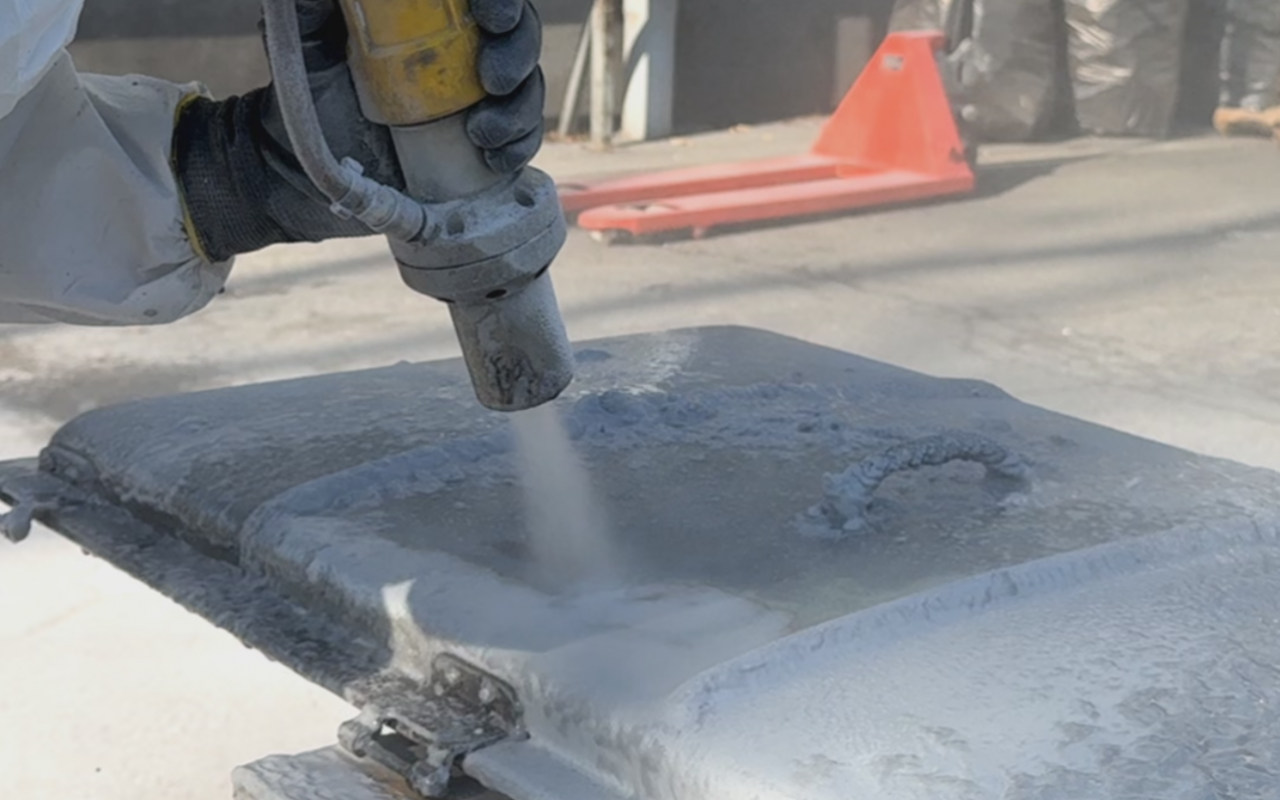
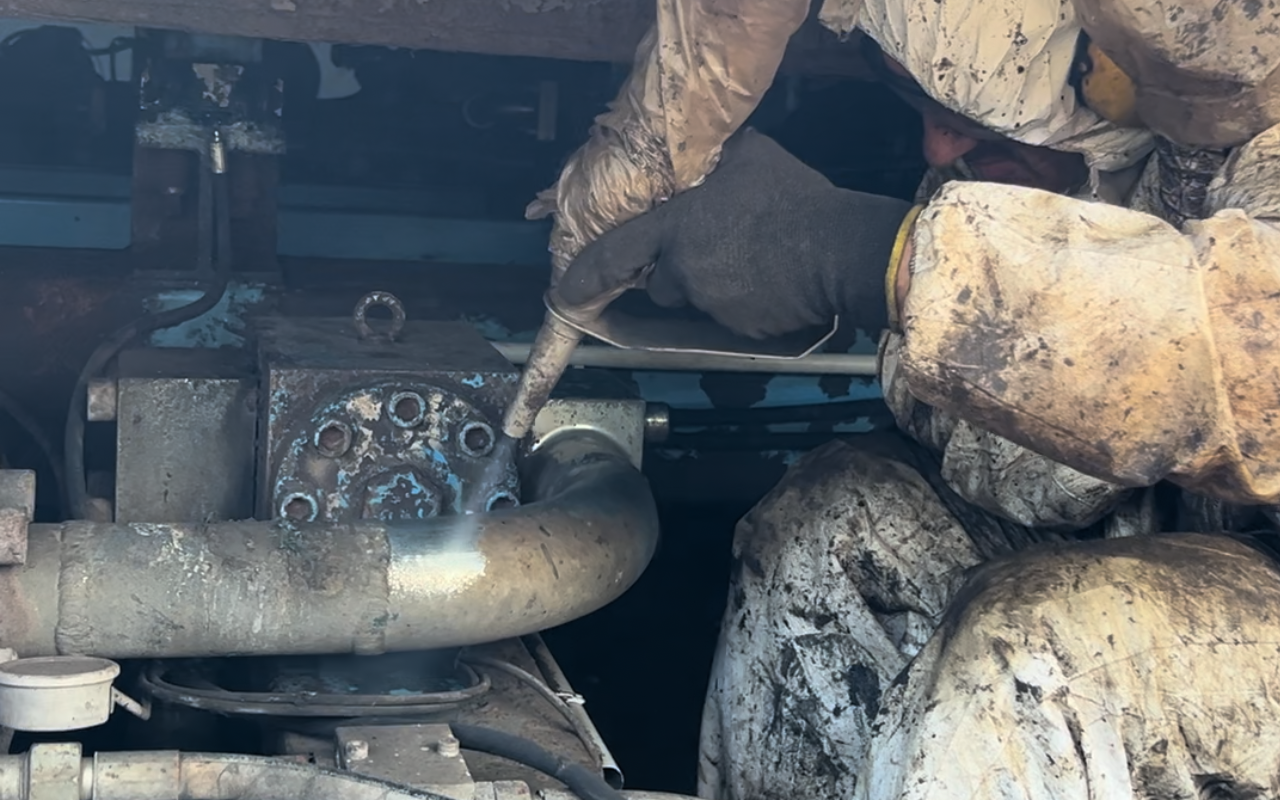
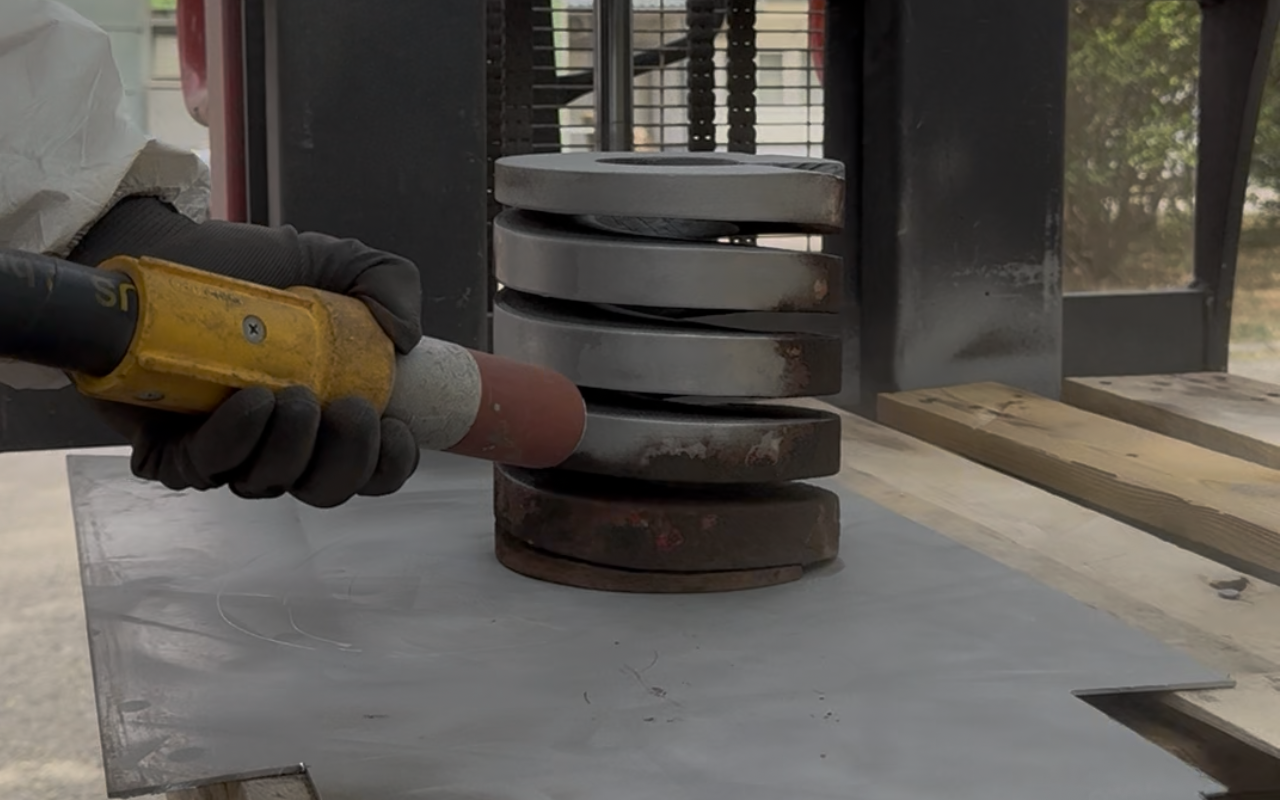
Open abrasive blasting is a chemical-free surface cleaning and surface preparation technology in which surfaces are treated using equipment and different blasting media selected specifically for the task. The process is used to remove rust, paint, coatings, adhesive residues and other surface contaminants.
The technology works by propelling the selected blasting medium at high velocity onto the surface to be cleaned. The type, particle size and hardness of the blasting medium are always selected according to the material and condition of the surface, the type of contamination and the required finish. Different media are used, for example, for removing rust from metal surfaces, cleaning stone or brick, or treating more sensitive surfaces with a gentler process.
We use open abrasive blasting on metal, plastic, concrete, brick, natural stone and artificial stone surfaces. During the work, appropriate personal protective equipment is used, and the process is always adapted to the site conditions, the surface and the objective of the cleaning or preparation work. The work can be carried out on-site or, in the case of suitably sized and movable items, at our own workshop.
Which abrasive blasting methods do we use?
-
Sandblasting
-
Soda blasting
-
Garnet blasting
-
Aluminium silicate blasting
-
Walnut shell blasting
-
Glass bead blasting
Which surfaces can be treated with abrasive blasting?
-
Metal surfaces
-
Plastic surfaces
-
Concrete surfaces
-
Brick surfaces
-
Natural stone surfaces
-
Artificial stone surfaces
-
Industrial surface preparation
What types of contamination and layers can be removed?
-
Paint
-
Coatings
-
Rust
-
Adhesive residues
-
Environmental contamination
-
Surface deposits
-
Aged, deteriorated or flaking layers
Why do we recommend abrasive blasting?
-
Chemical-free technology and an environmentally conscious solution
-
Can be used with a wide range of blasting media
-
Adaptable to the surface and type of contamination
-
Effective for rust removal and paint removal
-
Suitable for removing coatings and adhesive residues
-
Also used for surface preparation
-
Suitable for industrial, outdoor and construction environments
-
Effective for removing heavy contamination and resistant surface layers
When is open abrasive blasting recommended?
-
for removing rust from metal surfaces
-
for removing paint and coatings
-
for removing adhesive residues and surface deposits
-
for cleaning concrete, brick, natural stone and artificial stone surfaces
-
for industrial surface preparation
-
when a surface needs to be prepared before further treatment, painting or coating
-
for applications where selecting the correct blasting medium is essential for effective yet controlled surface treatment
Frequently Asked Questions
How do we select the right blasting medium?
The blasting medium is always selected according to the material and condition of the surface, the type of contamination and the required finish. Different media may be suitable for rust removal, paint stripping, stone cleaning or gentler treatment of more sensitive surfaces.
What is the difference between sandblasting and abrasive blasting?
Sandblasting is one type of abrasive blasting, in which sand is used as the blasting medium. Abrasive blasting is a broader category: depending on the task, we may use sand, sodium bicarbonate, garnet, aluminium silicate, walnut shell or glass beads.
When is soda blasting advantageous?
Soda blasting is a gentler abrasive blasting method, making it suitable for applications where protecting the underlying surface and using a less aggressive treatment are important. It can be used for more sensitive surfaces, components or specific types of contamination, although the most appropriate technology always depends on the type of surface and the extent of the contamination.
Can abrasive blasting damage the underlying surface?
If the wrong blasting medium, pressure or process settings are used, abrasive blasting can damage the underlying surface. For this reason, we adapt the blasting medium, equipment and working method to the specific surface for every project.
When is open abrasive blasting not the most suitable solution?
In sensitive environments, enclosed spaces or locations with strict dust-control requirements, another technology may be more appropriate, such as closed-loop abrasive blasting, laser cleaning, dry ice blasting or ultrasonic cleaning. The most suitable process is always selected according to the surface, the contamination and the conditions at the site.
Choosing the right cleaning technology can result in significant time and cost savings.
For more than 35 years, Fort Facility has been helping its clients select the most effective surface cleaning technology for their requirements throughout Budapest and across Hungary.
Videos
We will respond to your request for a quote within 24 hours, and to your call immediately!